


Industry Standard Sized Tubing
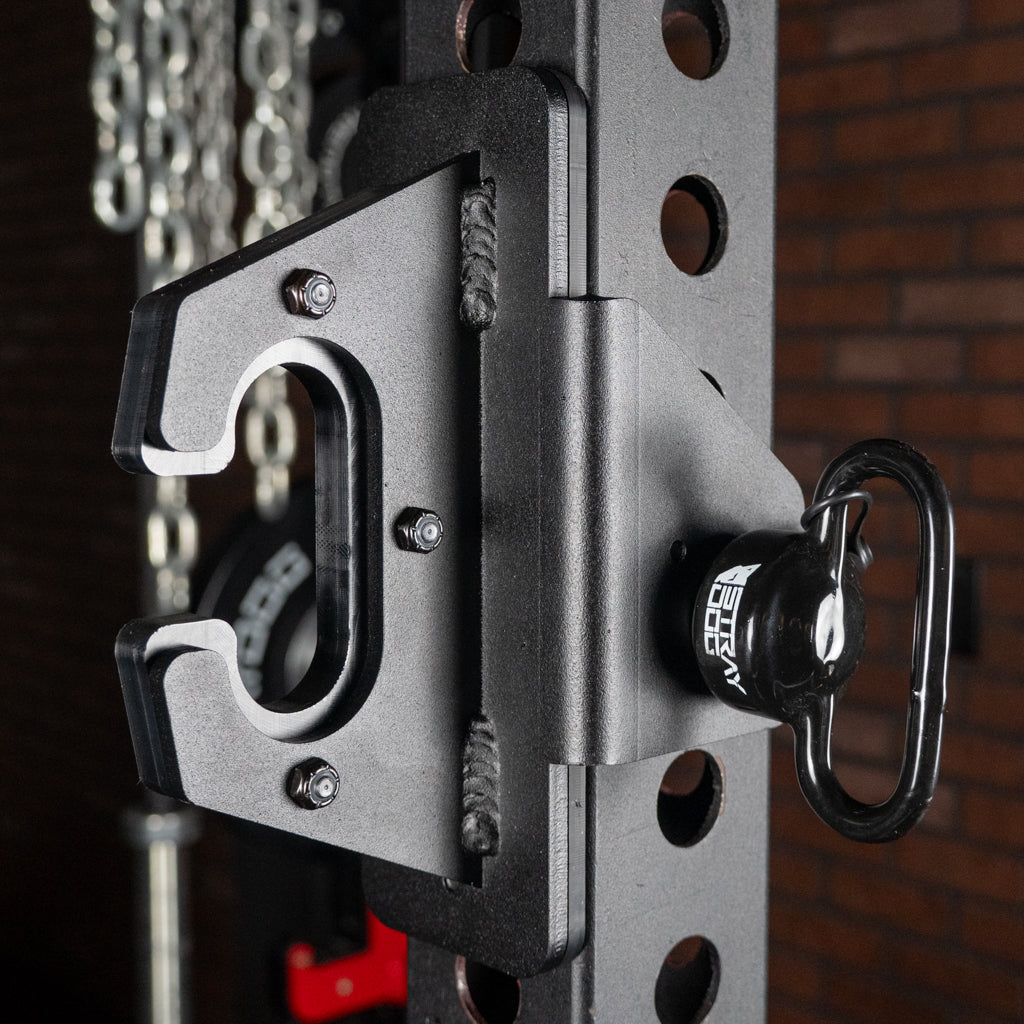
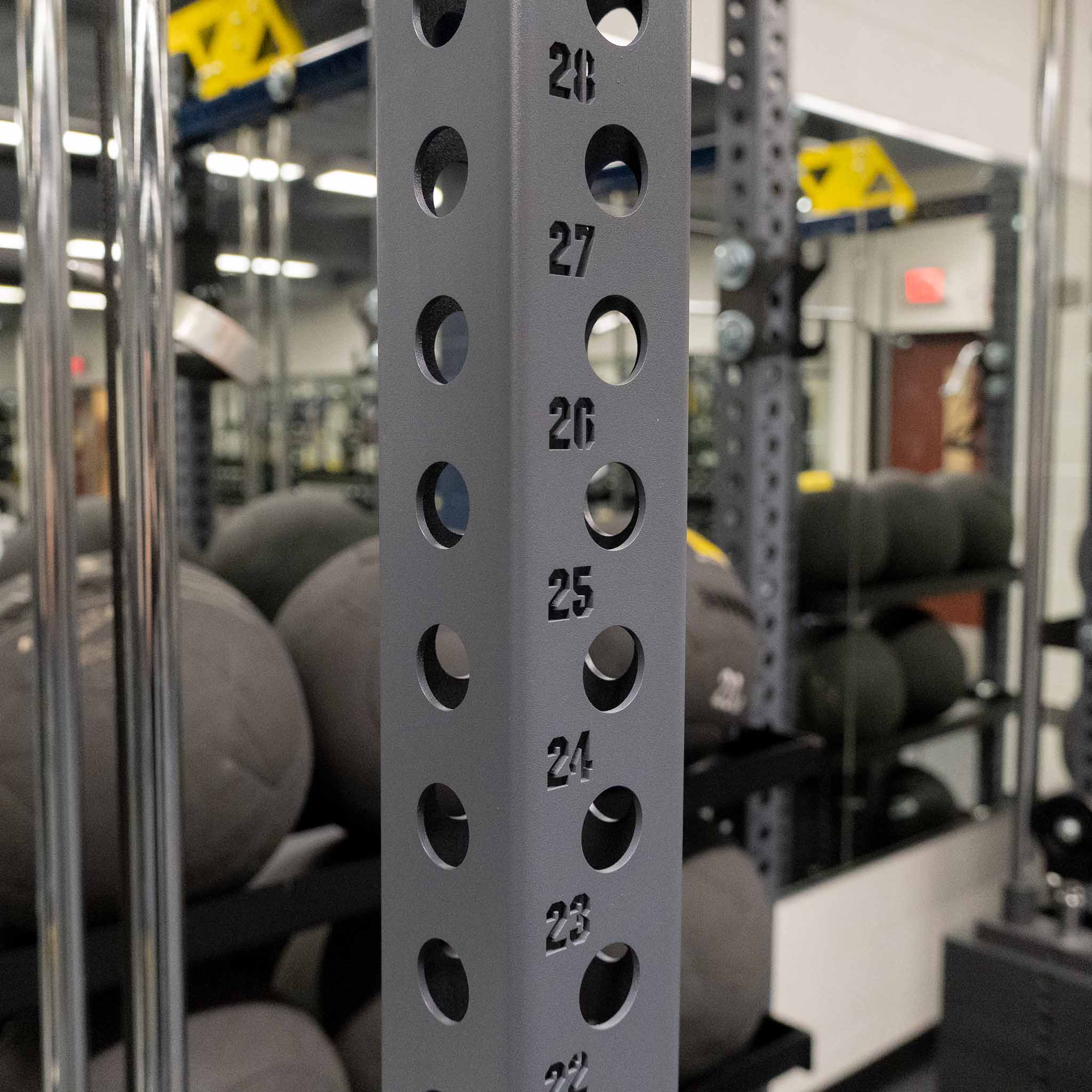
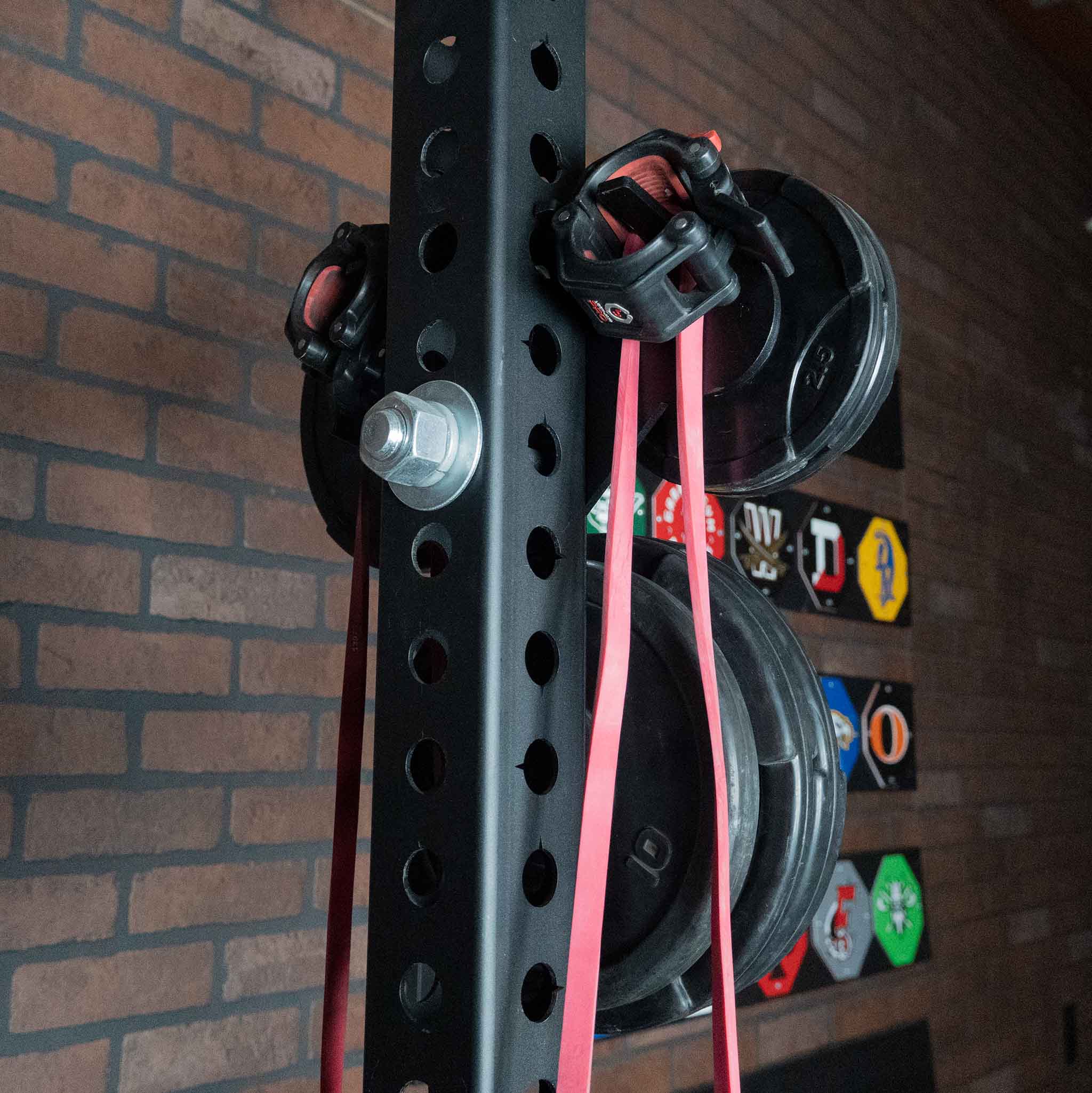
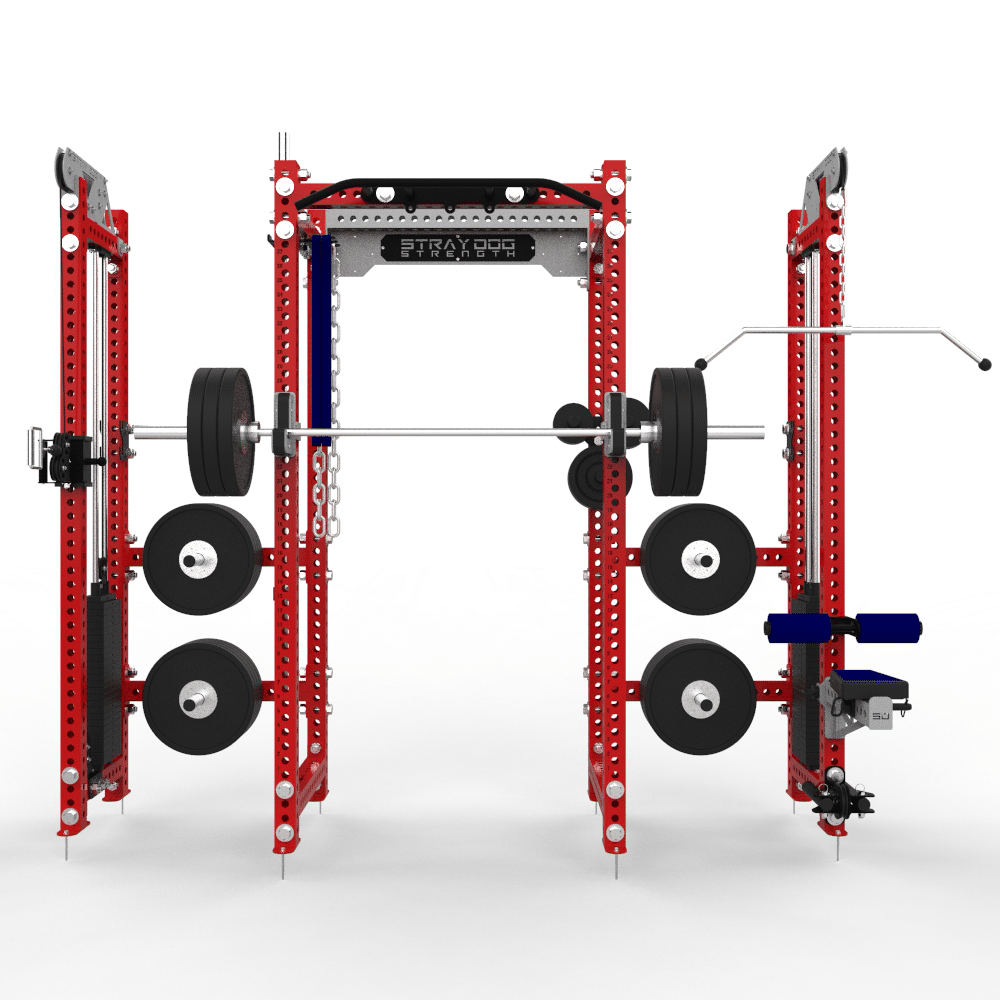
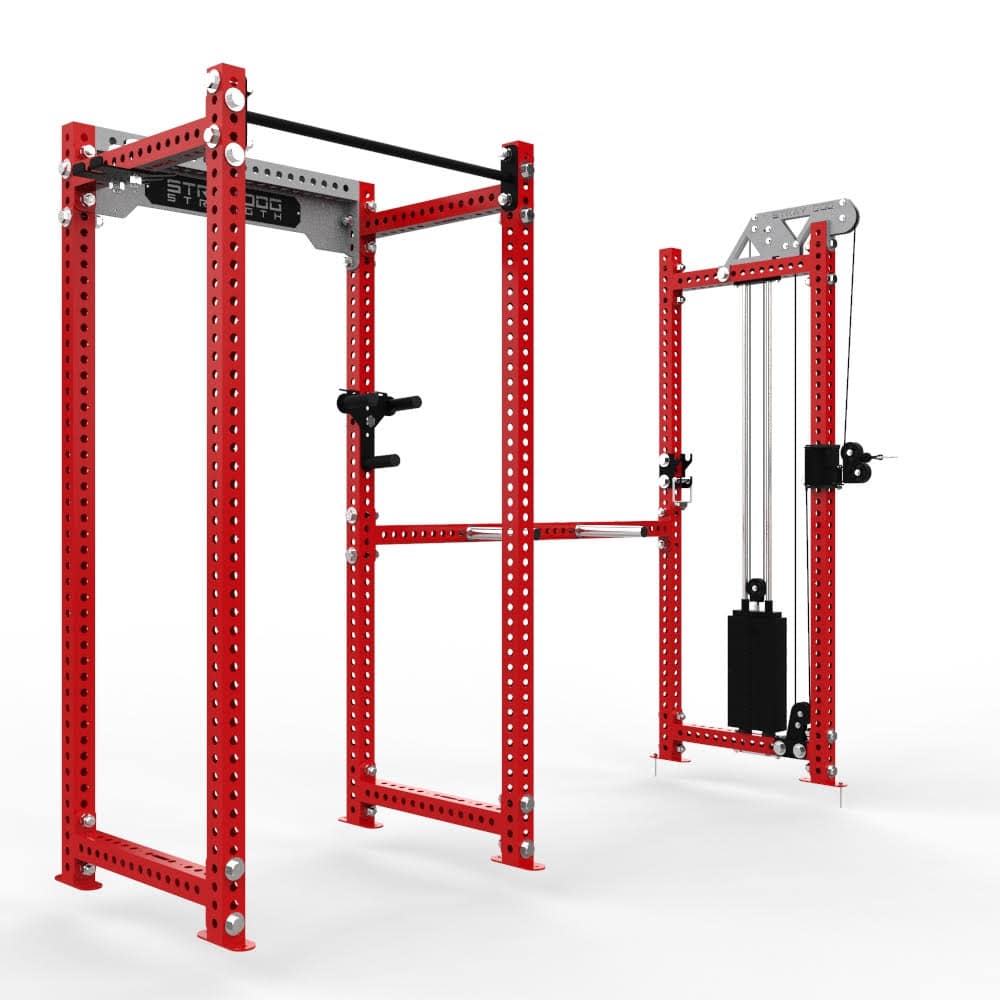
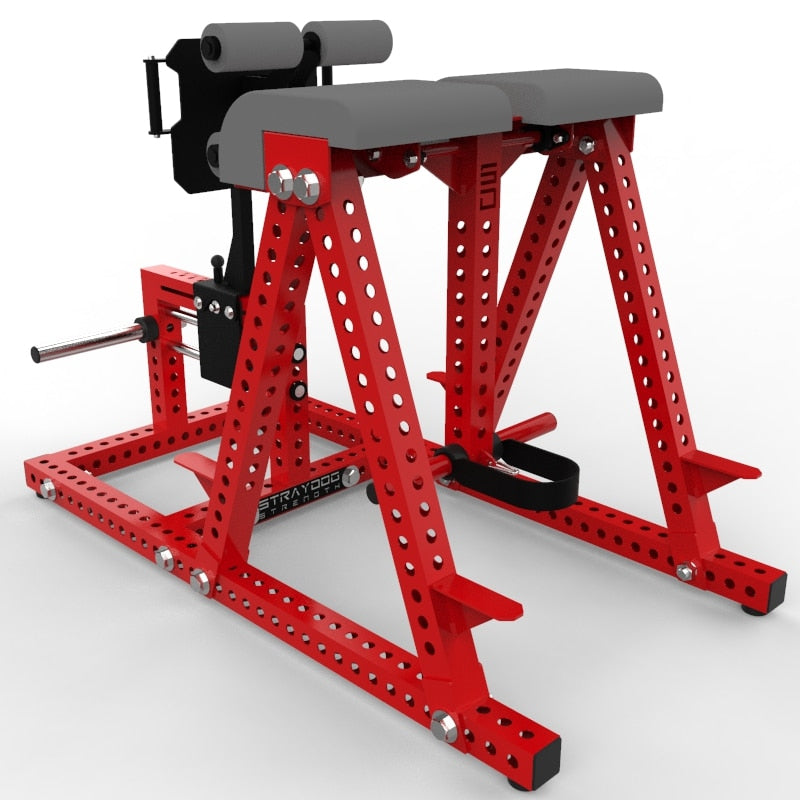
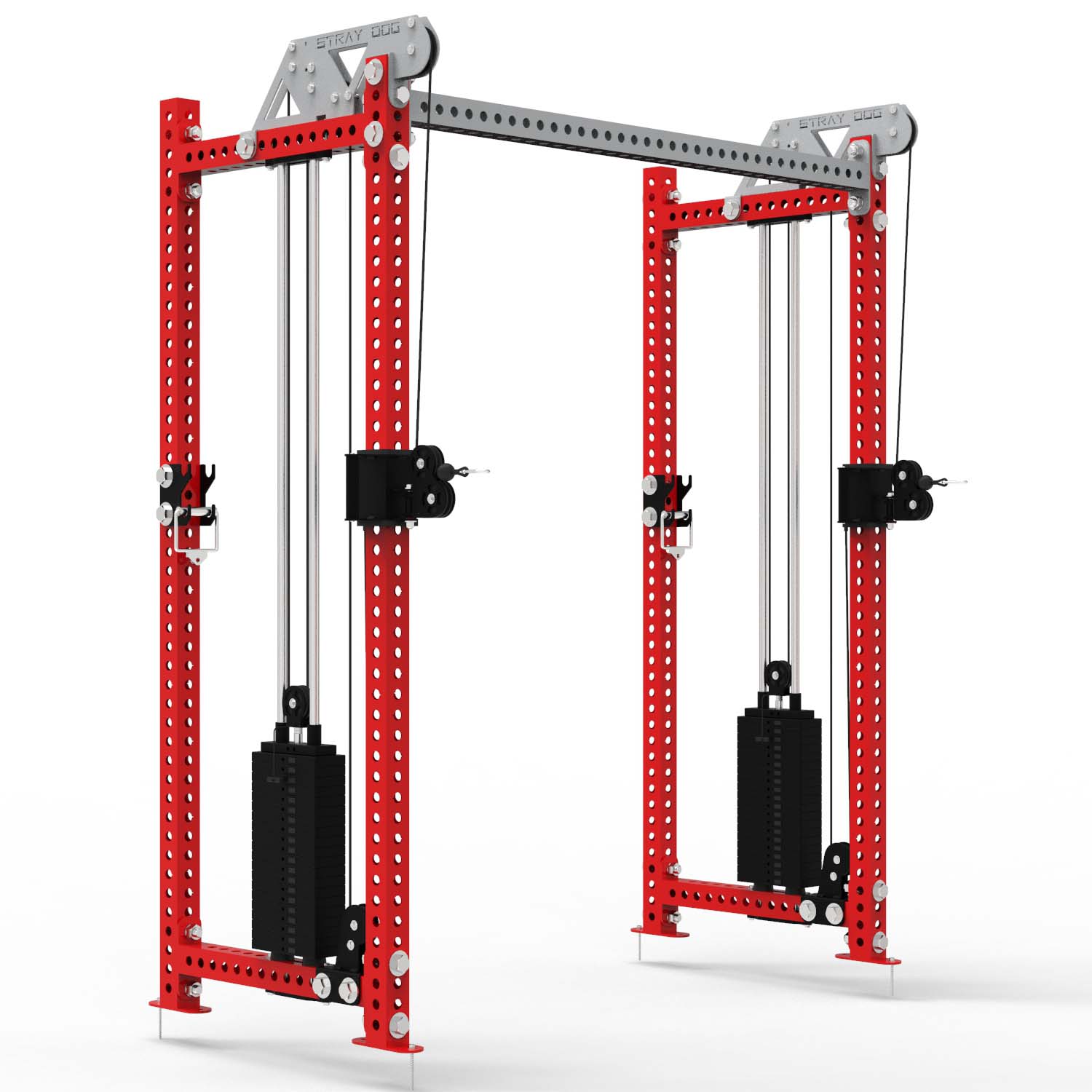
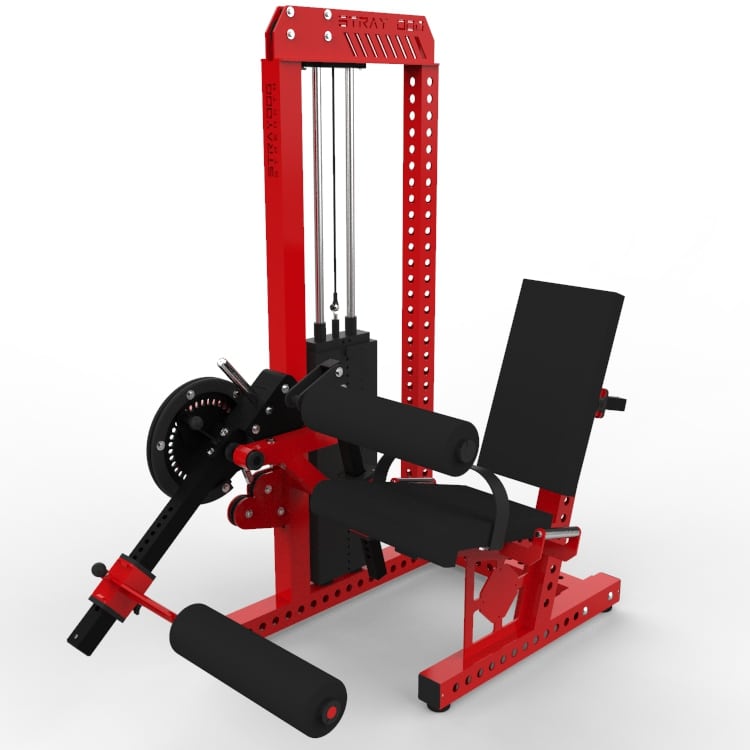
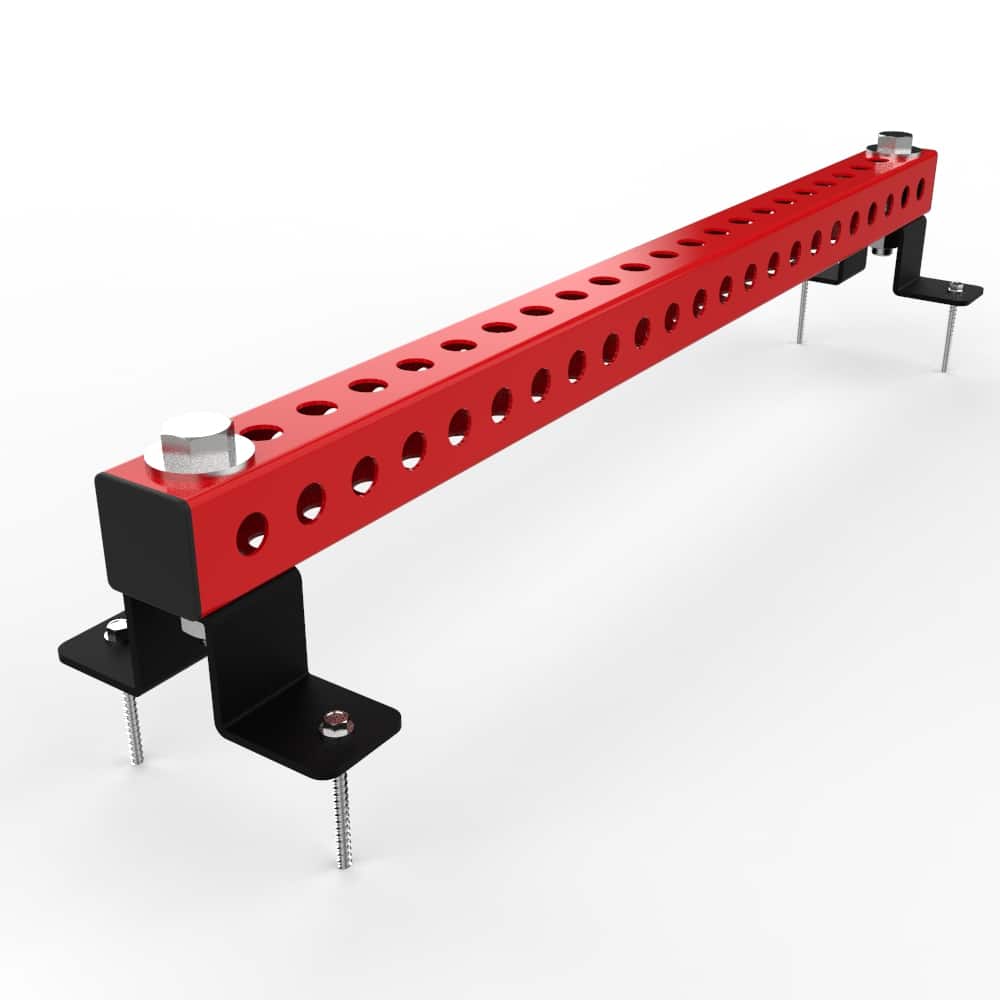
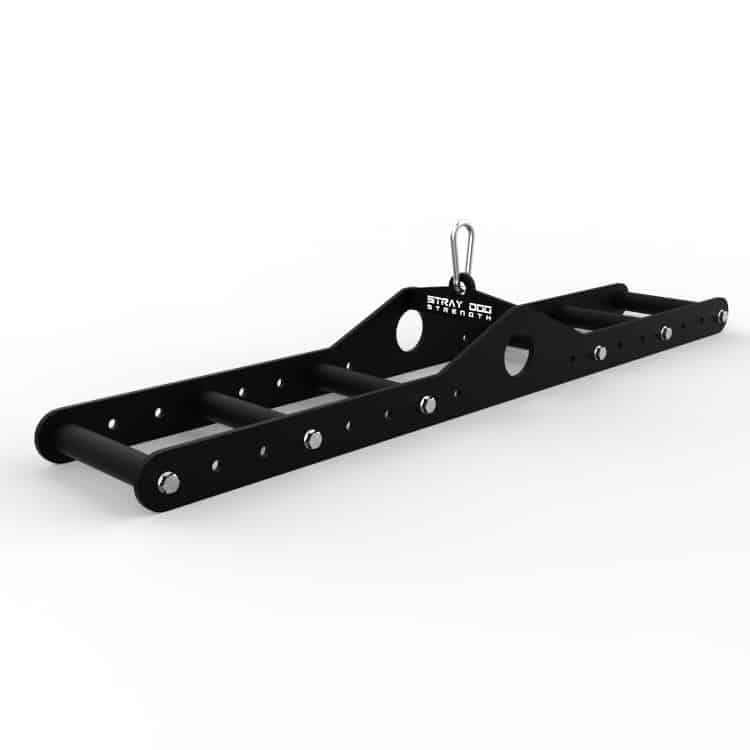
The foundation of that adaptability starts with industry-standard construction. Using 3x3-inch tubing with 1-inch holes spaced 2 inches on center across all sides ensures compatibility with the broader market. When new attachments or innovations are released, you are not locked into one ecosystem. You can add attachments from nearly any manufacturer because the spacing and sizing match what the industry has standardized around. That gives coaches flexibility and removes the risk of being boxed into outdated equipment. Ford does not make you buy tires from them, your rack should allow you to buy whatever attachments you want and or need.
 Modular Bolt-Together Design
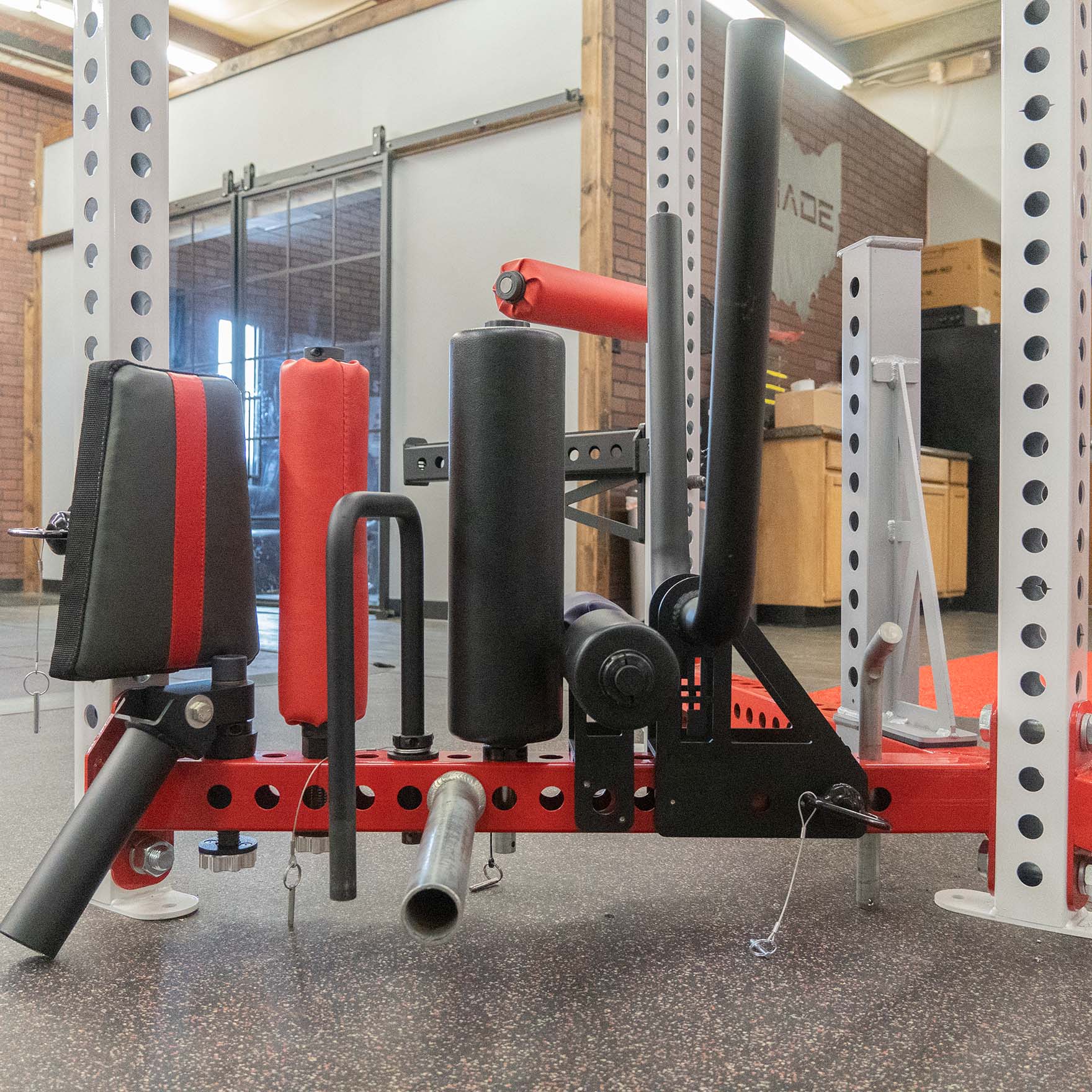
Modularity is the next layer. Bolt-together frames allow racks to be reconfigured as needs change. Many brands weld their rack frames together making it impossible to rearrange the equipment into a different configuration in the future if desired. A program might start with double half racks to maximize density, then later decide to spread athletes out into full racks or convert stations to create more open space. With additional uprights and crossmembers, those changes can happen without replacing entire units. The rack system becomes more like a set of building blocks than fixed equipment.

Space Efficient Design
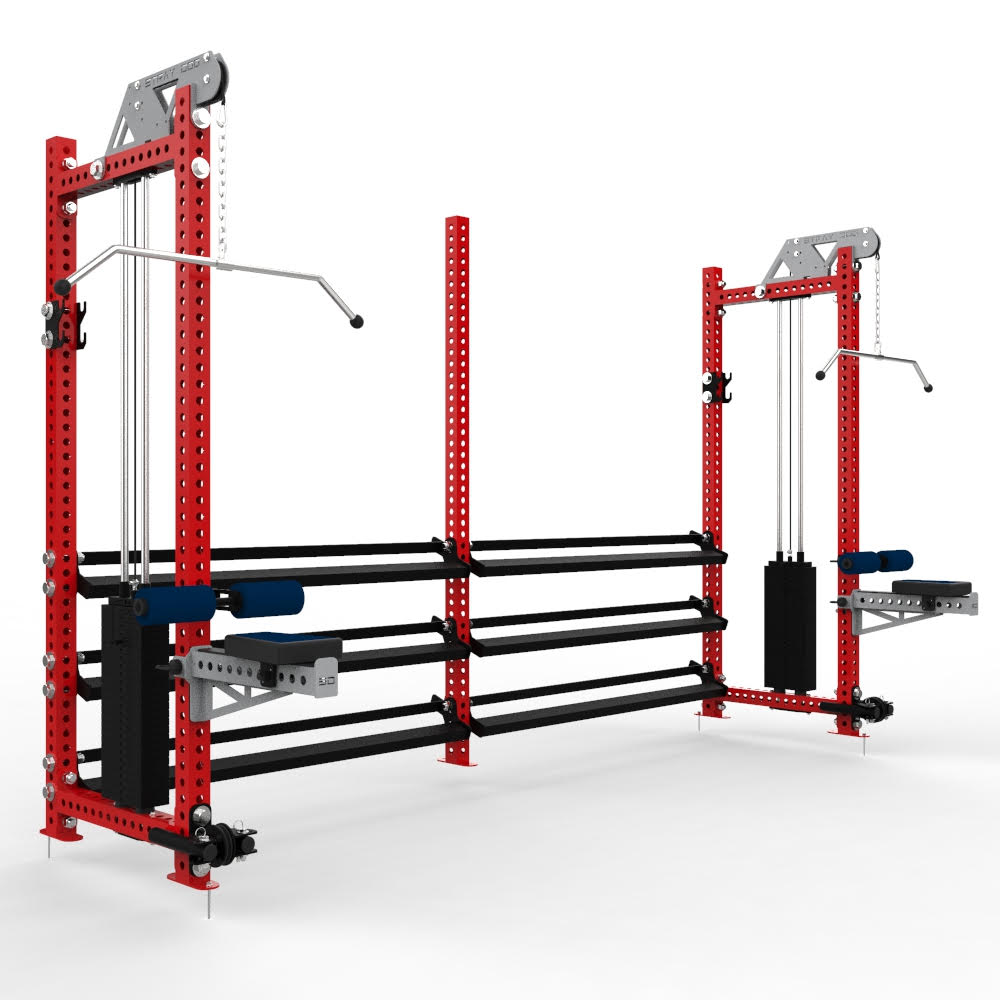
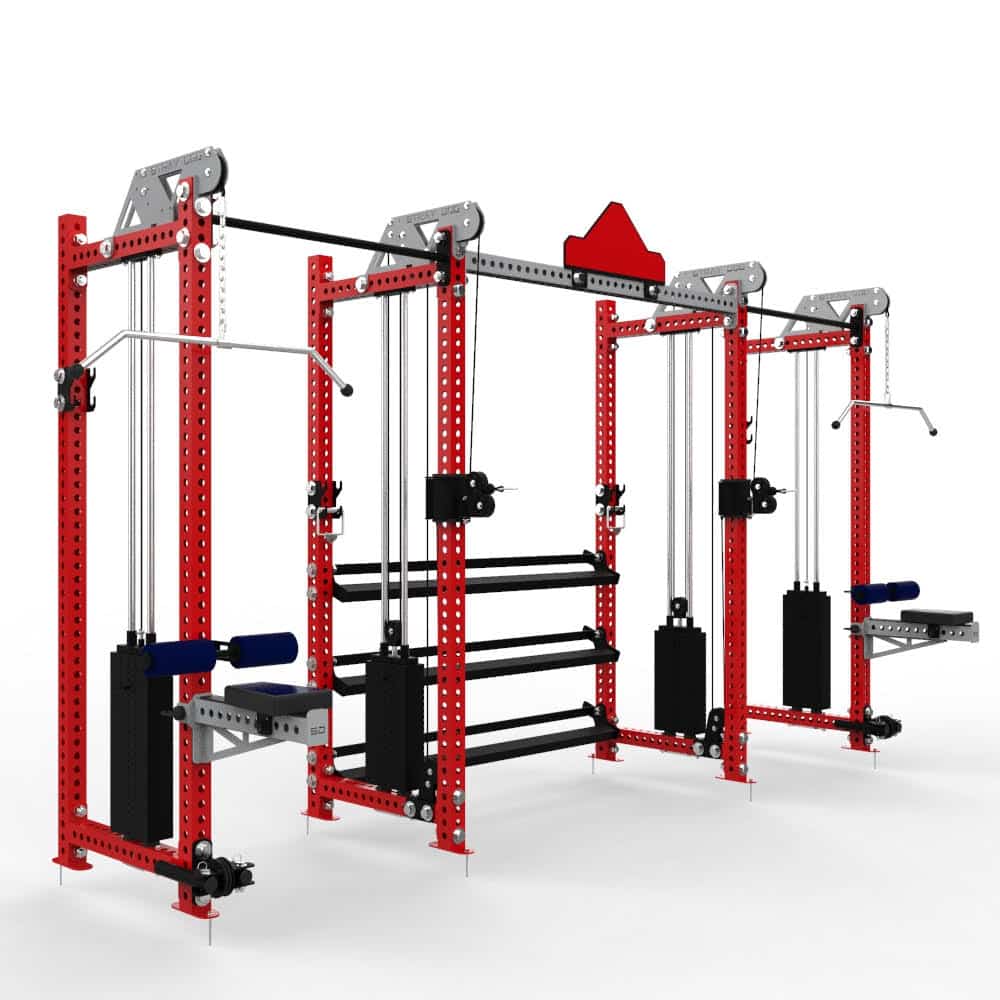
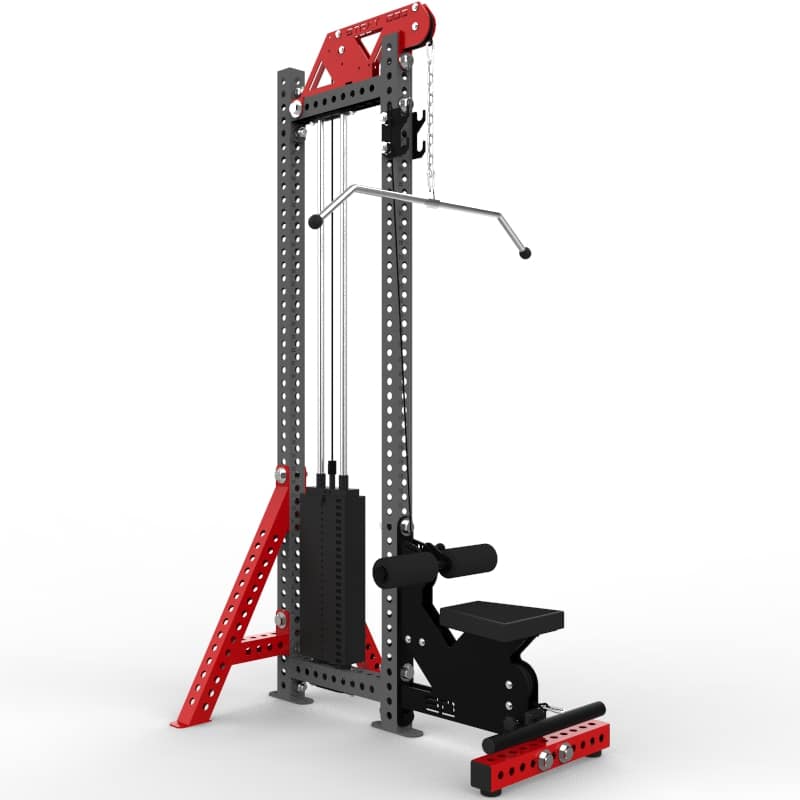
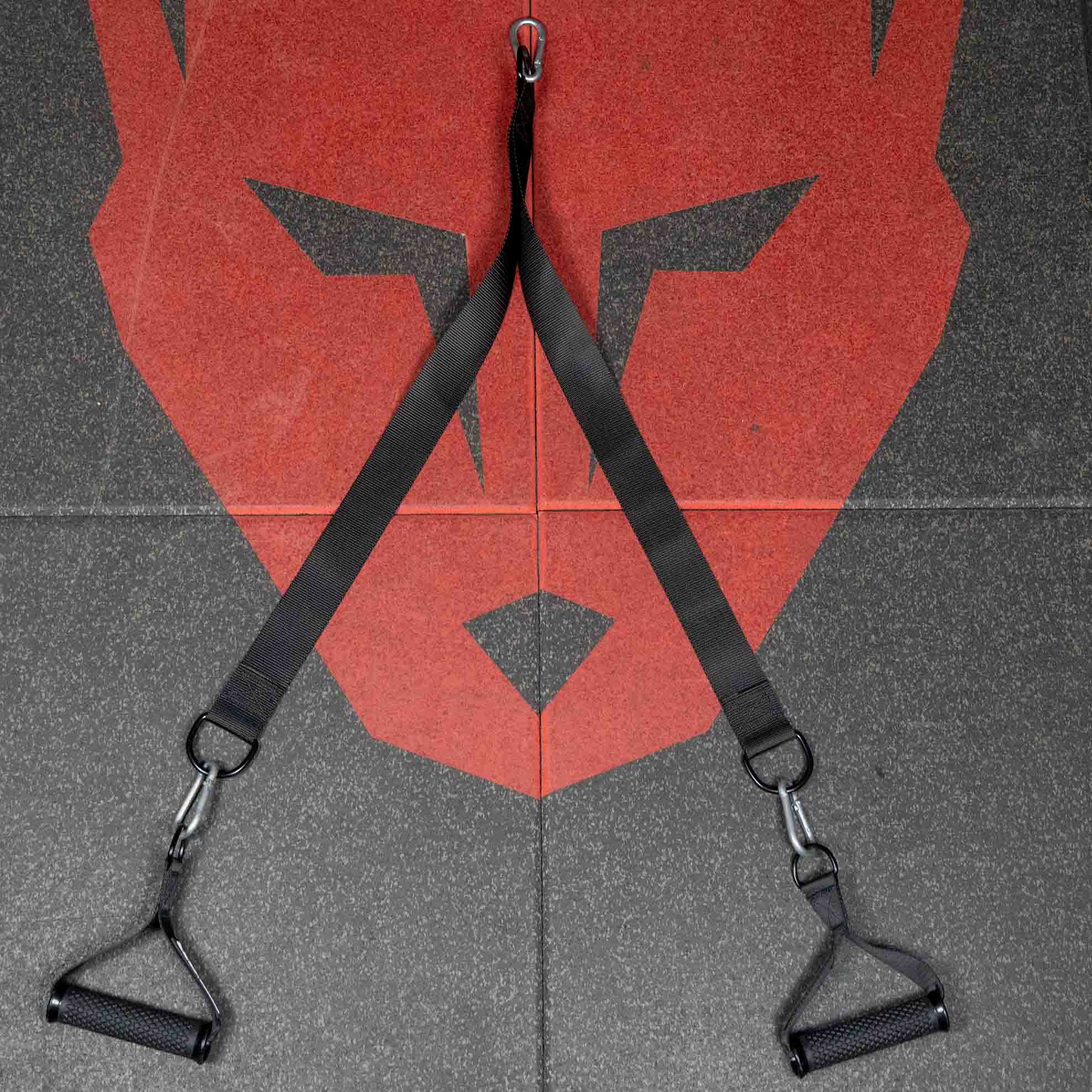
Space efficiency also plays a major role in future-proofing. The ability to integrate cable systems directly into the rack keeps training stations compact and efficient. Adding lat pulldowns, low rows, belt squats, or cable columns inside the rack footprint eliminates the need for separate machines that consume floor space. Shown below at Olmsted Falls HS is an Alpha Double Half Rack with a Lat Pull Down Attachment on one side and PowerBlock Rack Mounts on the other. This keeps athletes at their station, improves training flow, and allows facilities to scale capacity without expanding square footage.

Technology Integration
Technology is constantly changing, but most rack systems were never designed to support it. Stray Dog Strength racks feature integrated cable routing channels and power integration points, allowing technologies like EliteForm, Perch, tablets, and LED displays to be installed cleanly and securely. Instead of exposed wires taped or Velcroed to the rack, cables are routed internally for a professional, plug-and-play solution built to last. Shown below, this system is being used to power LED lights inside the uprights as well as back lit LED Branding and the fixed iPad mount.

Custom Branding
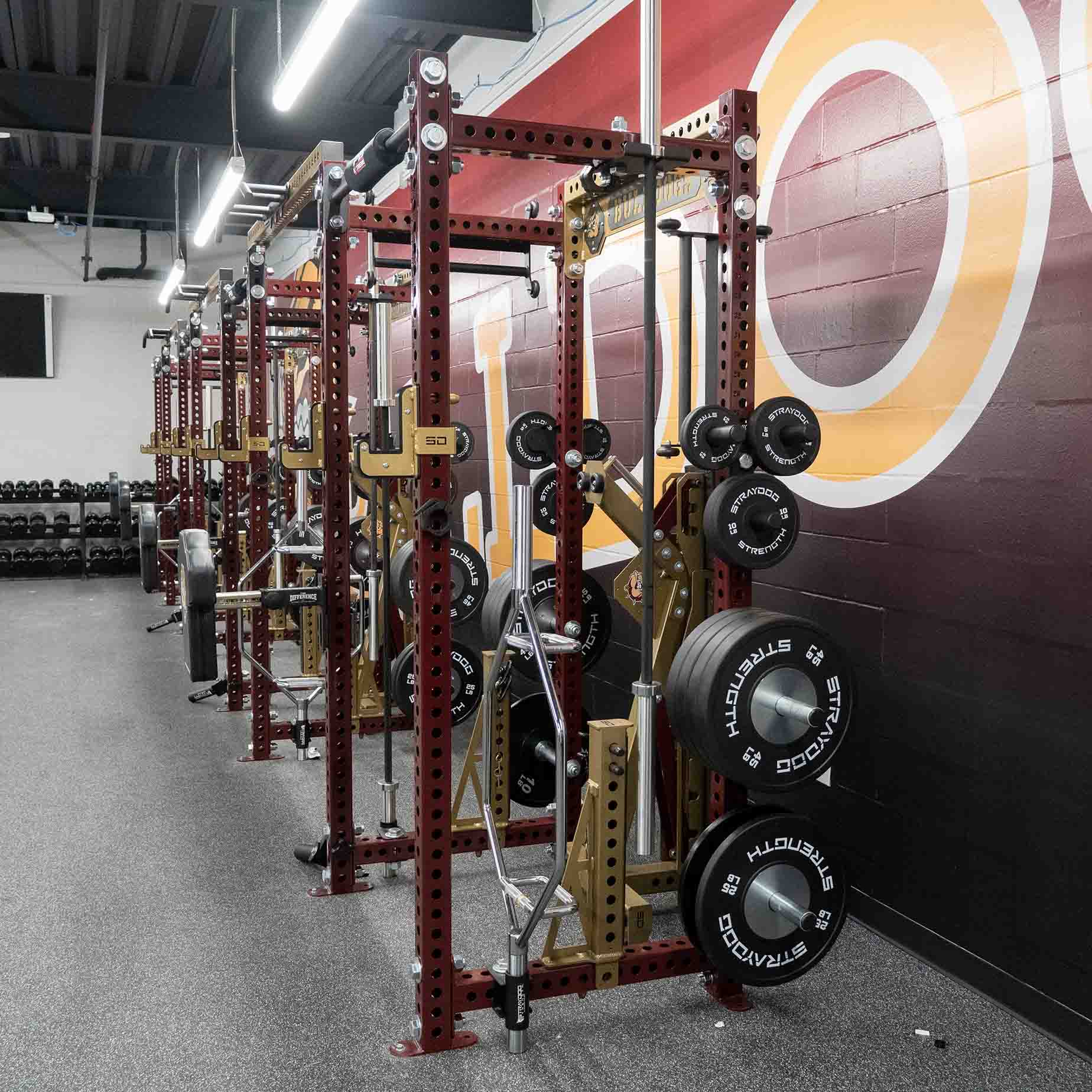
Branding flexibility is often overlooked, but becomes important over the life of a facility. Logos that are bolted on rather than permanently fixed allow programs to update their identity without replacing equipment. Whether it is a full rebrand, a new slogan, or honoring a specific team or individual, those changes can be made quickly by swapping components instead of scrapping racks.
Maintenance Support
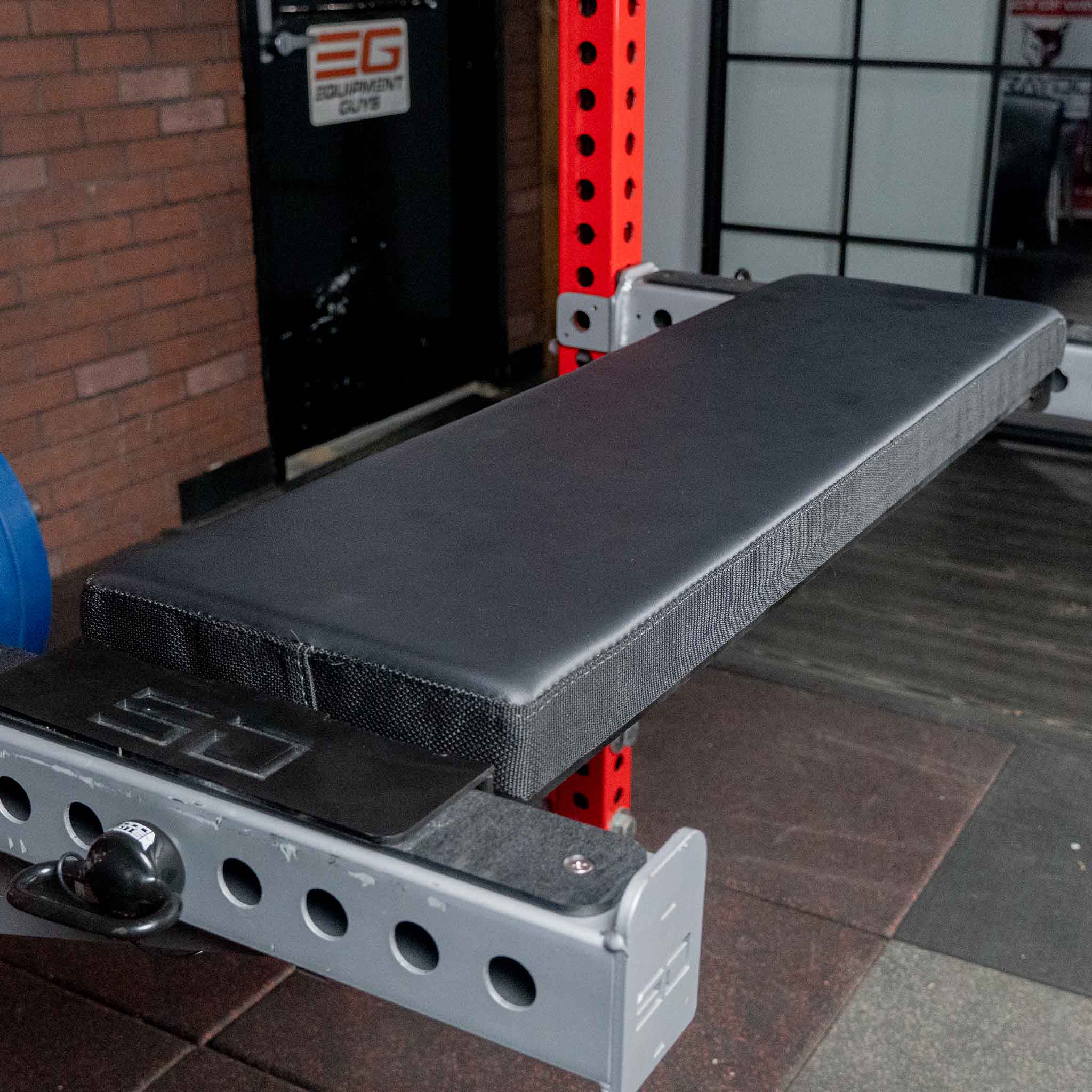
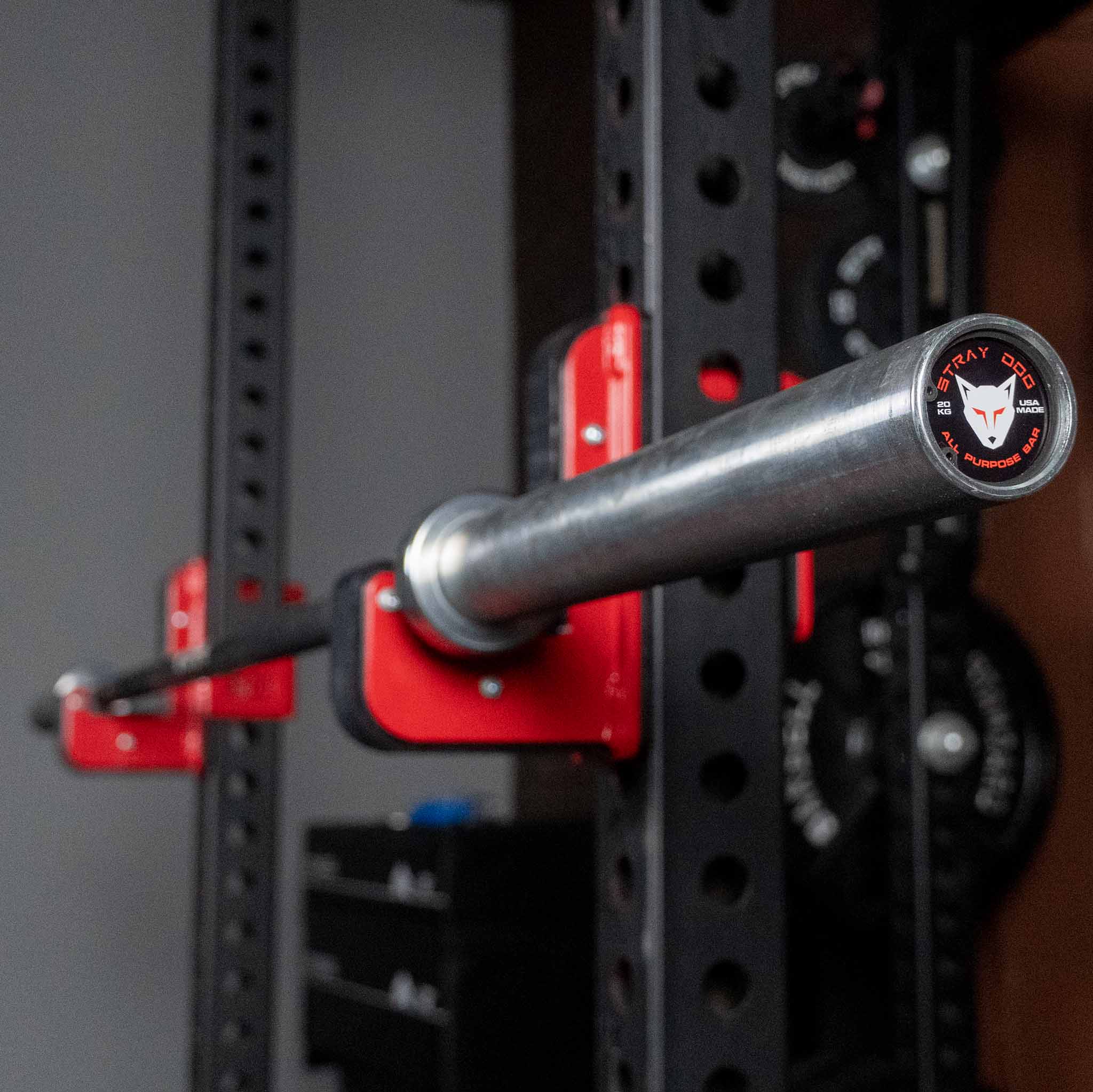
Durability at the component level is another key factor. Bar cups and spotter arms that use mechanically fastened UHMW protection rather than adhesive ensure long-term performance. Adhesives fail, especially in high-use environments. A screwed-in system not only lasts longer but also allows for simple replacement when wear eventually occurs. The same philosophy applies to pads and cables. These are consumable components, similar to brakes on a vehicle. Designing them to be easily replaceable extends the life of the entire system and reduces long-term costs. Check out our warranty here.

Durability at the component level is another key factor. Bar cups and spotter arms that use mechanically fastened UHMW protection rather than adhesive ensure long-term performance. Adhesives fail, especially in high-use environments. A screwed-in system not only lasts longer but also allows for simple replacement when wear eventually occurs. The same philosophy applies to pads and cables. These are consumable components, similar to brakes on a vehicle. Designing them to be easily replaceable extends the life of the entire system and reduces long-term costs. Check out our warranty here.
 Conclusion
Finally, direct manufacturing capability ties all of this together. When equipment is built in-house, customization and iteration options are available. Programs are not limited to catalog options. They can adjust dimensions, configurations, or features to match their exact needs, both now and in the future. That flexibility ensures the rack system continues to serve the program as it evolves. Many of the features included in our rack system today were something we custom made for a coach years ago and decided to make it standard.
 In the end, future proofing is about eliminating dead ends. It is designing racks that grow with the program, adapt to new technology, and can be maintained instead of replaced. Facilities that invest in this approach are not just buying equipment; they are building a long-term infrastructure for performance that will impact athletes for generations to come.