
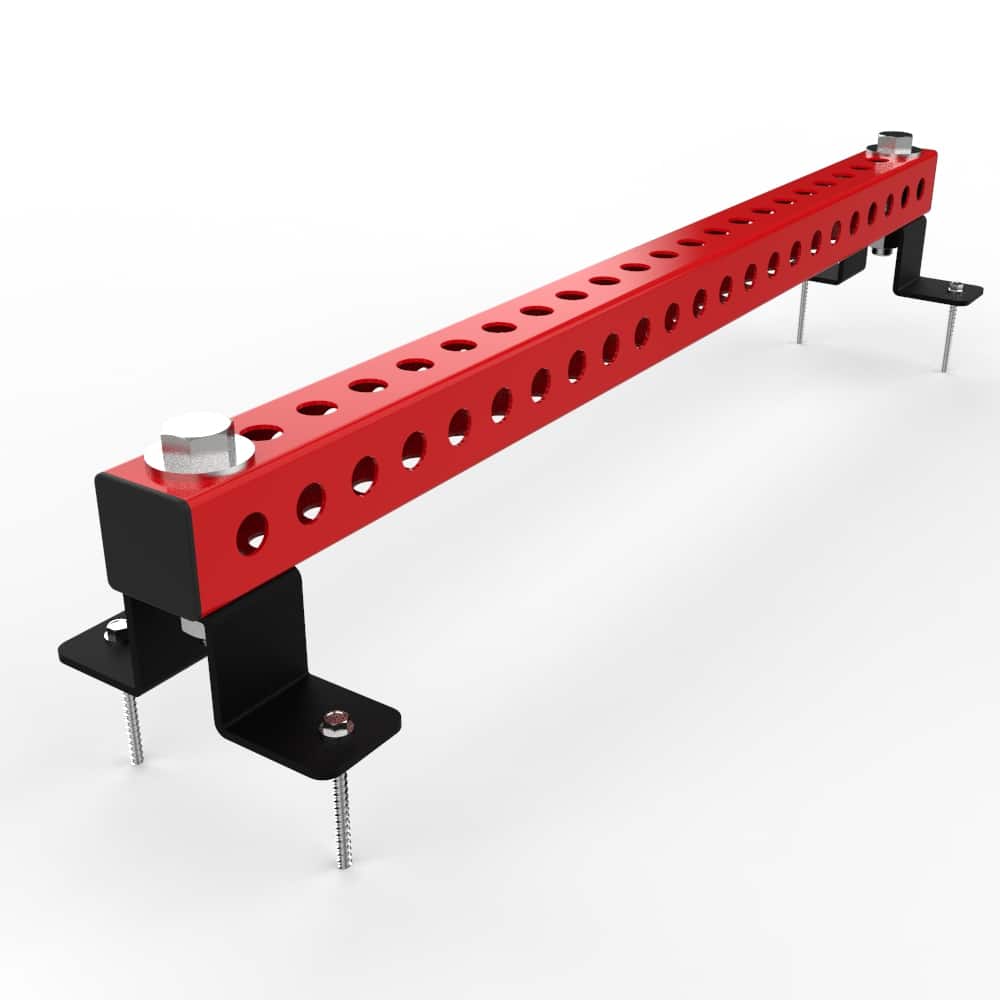
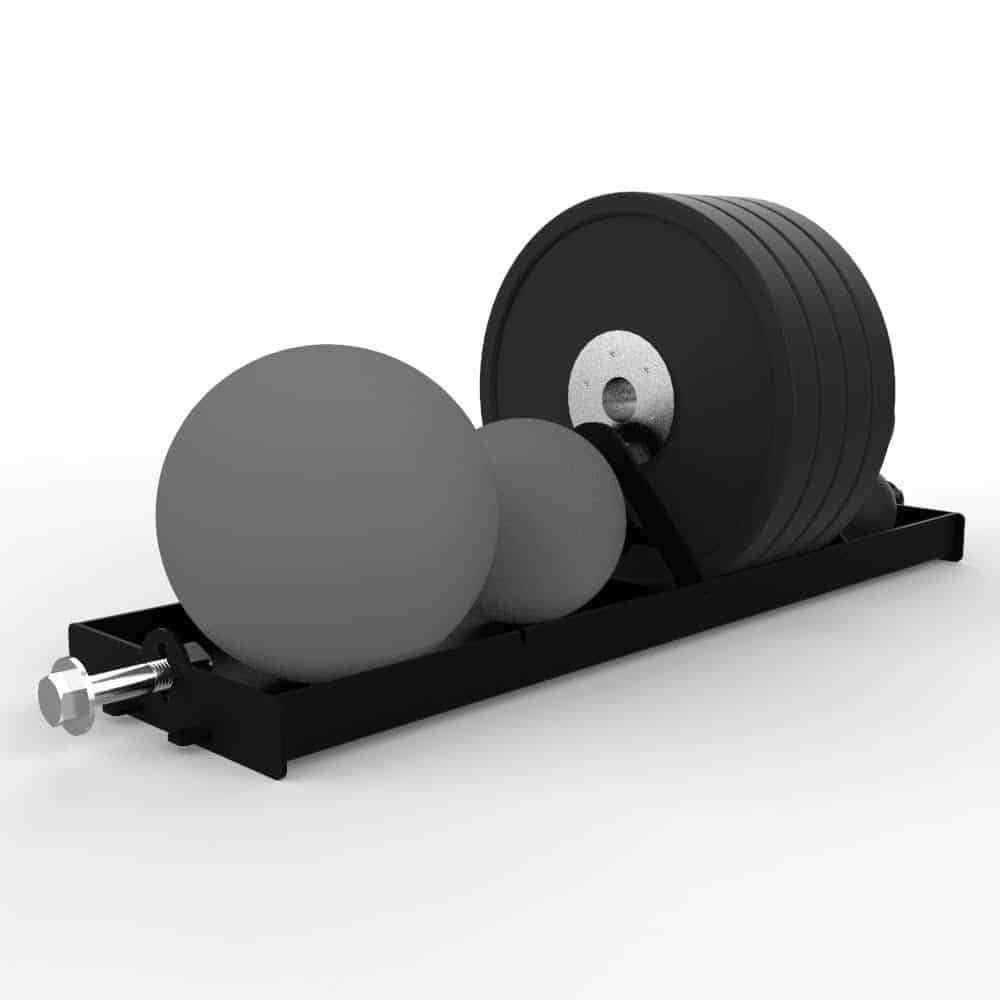
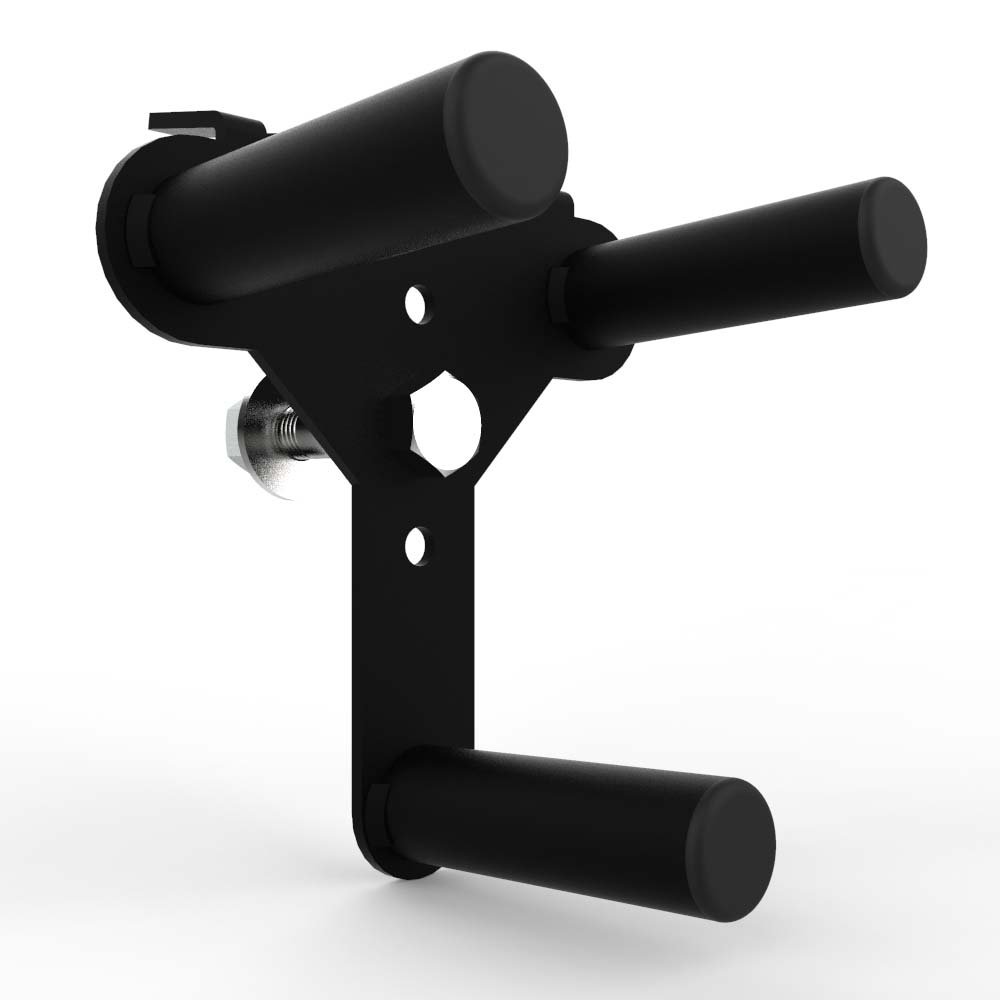
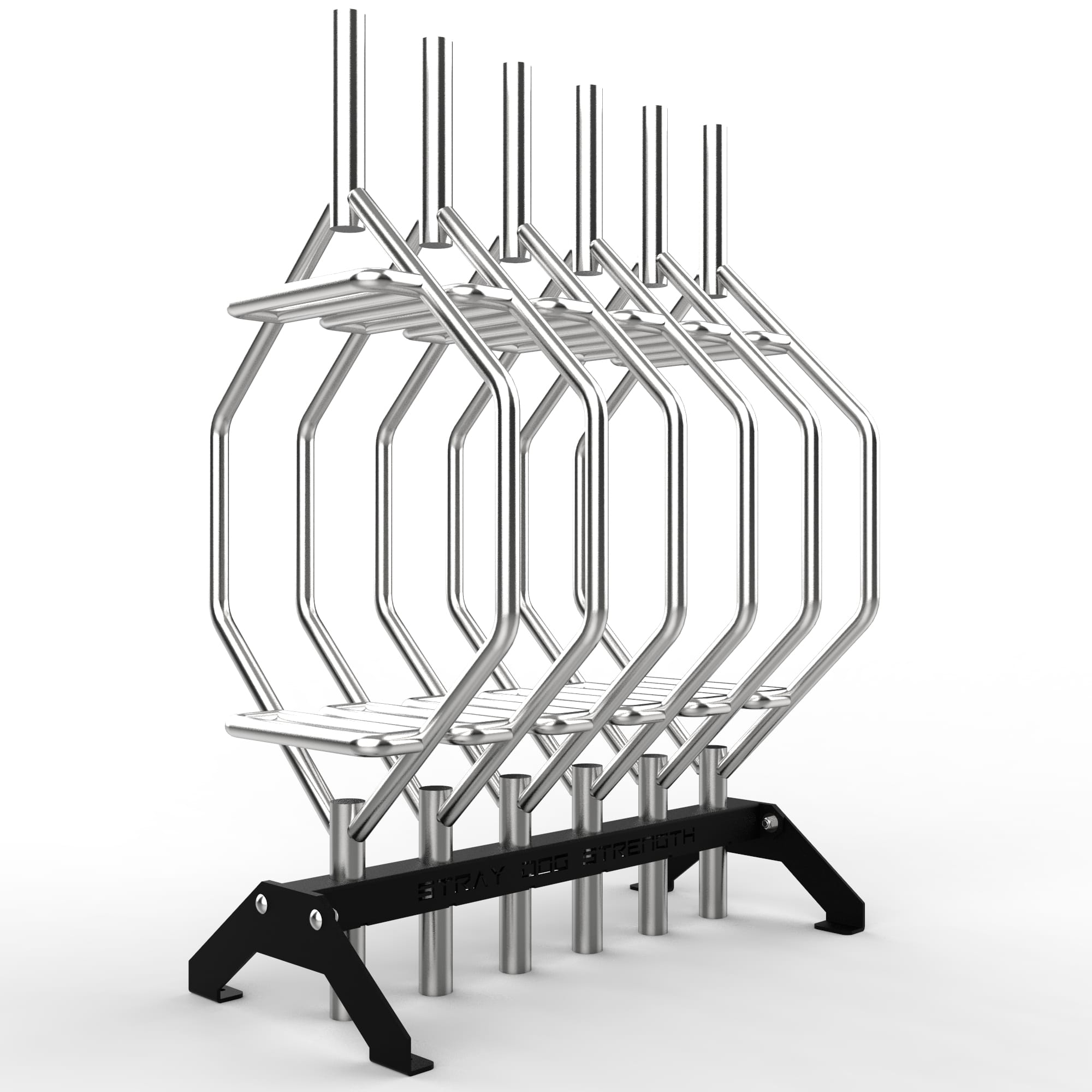

An isometric contraction occurs when a muscle creates force without any movement at the joint. The muscle works hard but its length stays the same and the limb stays still. Isometrics can be used in almost any movement by targeting specific joint angles, and they are most often performed in three main ways. Before we get into the top five reasons to use them, it is important to understand what each type is.
The Three Kinds of Isometrics
1. Yielding Isometrics
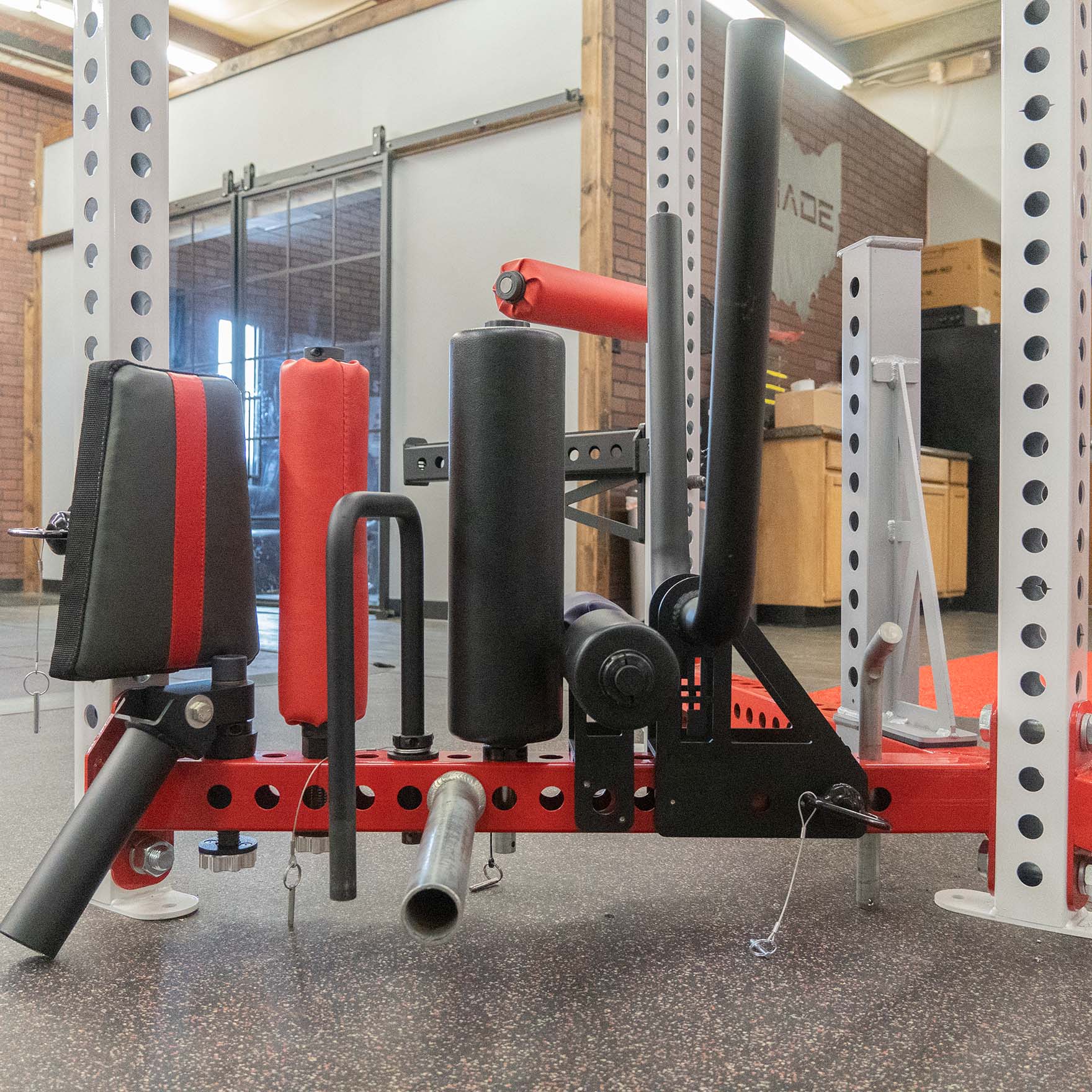
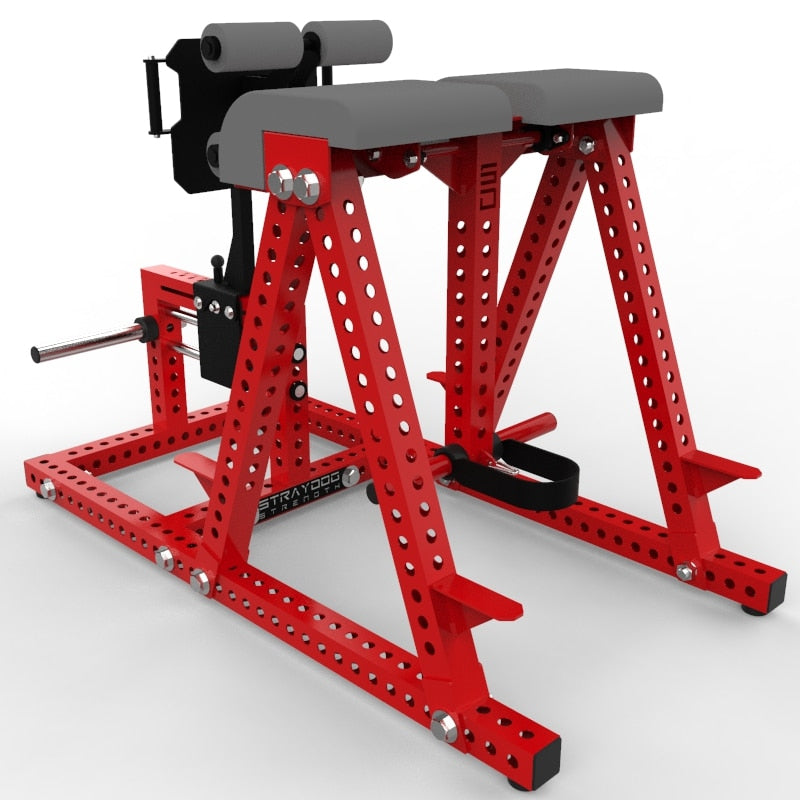
Also called isometric holds, these can be done with body weight such as a dead hang or a squat hold. They can also be performed with load where the athlete maintains the weight at a specific location. The example shown is a back extension isometric on our GHD Machine. The athlete holds their chest parallel to the ground by using the lower back and posterior chain to keep the torso level. If they create more force than needed they will rise above parallel and if they create less force they will fall below it.

2. Overcoming Isometrics
An overcoming isometric is a maximal contraction against an immovable object, usually held for three to fifteen seconds. This lets athletes train maximal intent safely and increase force output. It also allows you to attack specific joint angles or sticking points such as mid shin, knee, or mid thigh in the deadlift. The example shown is the isometric mid thigh pull, one of the most common overcoming isometrics used by sport scientists and strength coaches for force testing. Here it is performed with a barbell and ISO Cups.

3. Functional Isometrics
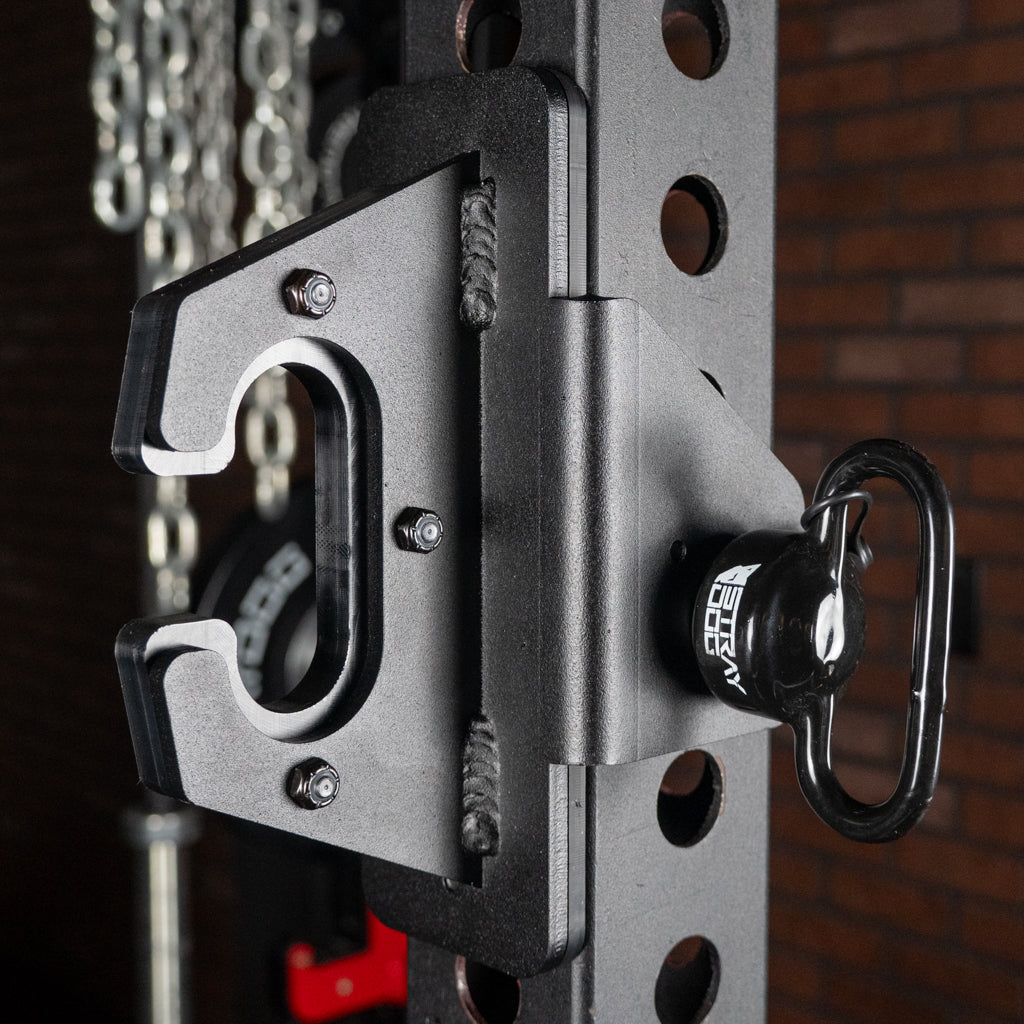
Combines a short range of motion with an isometric hold by trapping the bar between two sets of pins. The athlete lifts a few inches until the bar meets the top pins and then drives hard into that fixed position. This method blends controlled movement with high force production and lets you train through a specific segment of the lift. Coaches use functional ISO's to improve sticking points, sharpen technique, and build strength in the exact ranges where athletes struggle. They can be applied to squats, benches, and deadlifts using standard spotter arms or our ISO Teeth on our spotter arms. Anthony Cockrill from SMU Volleyball S&C has a great post on this topic, linked here.

1. One of 3 Phases of Lifting
There are three types of muscle actions in lifting: eccentric, isometric and concentric. A back squat begins with an eccentric lowering phase, followed by a concentric drive out of the bottom. An isometric only occurs if you intentionally pause at a position such as the hole, mid descent or mid ascent. Some lifts begin with the concentric phase such as the deadlift which starts from the floor and finishes with an eccentric return. Training all three muscle actions builds better control, stronger positions and more complete strength. By performing isometric variations of lifts you can perform the same muscles/joints but with a different stimulus.
2. Train Without As Much Risk
Your brain has a natural limiter that prevents you from producing more force than your body can safely handle. With free weight lifting this shows up when the load exceeds your capacity. If you put 315 on the bar but your current strength level is closer to 300 you will fail the lift and the bar will drop unless you have proper spotting or safety pins in place. Even if the bar does not fall you can still overload the muscle by demanding more force than the tissue can tolerate which is how strains and tears occur. The muscle is asked to contract harder than it is capable of and something has to give. This makes them very effective for in season training as they allow you to get an intense contraction without high risk of injury.
3. Improve tendon and connective tissue health
Isometrics increase tendon stiffness and support tissue remodeling which improves long term durability. Stronger connective tissue helps athletes sprint, jump and change direction with more confidence. Longer duration yielding or overcoming isometrics are especially effective for tendon and tissue health. A target range of thirty to one hundred twenty seconds is ideal for promoting these adaptations. For longer duration overcoming isometrics athletes should give 50-75% effort as if they give maximal effort they can only keep that up for 10 seconds or so.
4. Reinforce technical positions
Holding the correct position under tension teaches athletes what proper posture should feel like. This builds better motor control and carries over to squatting, hinging, sprinting and other athletic movements. In a typical squat the concentric phase lasts only one to three seconds which is not enough time for most athletes to truly own the position. Isometrics solve this by creating longer time under tension so athletes can get comfortable and strong in the exact shapes they need.
5. Elevate neural drive and athletic output
Isometrics train the nervous system to recruit more motor units and fire them faster. This drives higher force production across the entire system which improves sprint speed, jump height and bar speed. Neutral drive is the signal your brain and nervous system send to your muscles telling them how hard and fast to contract. If you only train the concentric and eccentric phases you miss out on the unique neural benefits that isometrics provide.

Conclusion
Isometrics are a powerful but often overlooked training tool. They strengthen key positions, improve tissue quality and boost neural drive in ways concentric and eccentric work cannot. Yielding, overcoming and functional isometrics each add value and fill gaps in athletic development. When used purposefully they help athletes move better, stay healthier and produce more force. For programming support contact training@straydogstrength.com or message us on Instagram @stray_dog_performance.