

Introduction
Isometrics are one of the most overlooked tools in strength training even though they can build force, reinforce positions, and improve movement quality. There are two main kinds of isometrics, yielding and overcoming isometrics. Understanding the difference helps coaches choose the right tool for the goal and place it correctly inside a program.
What Is an Isometric Contraction
An isometric contraction is when a muscle produces force without movement at the joint. The muscle works at a fixed length and the limb stays still. You can apply this idea to almost any lift by selecting a specific joint angle and creating force without moving through the range. This allows athletes to train weak positions, reinforce technical checkpoints, and increase neural drive at exact joint angles.
Yielding Isometrics

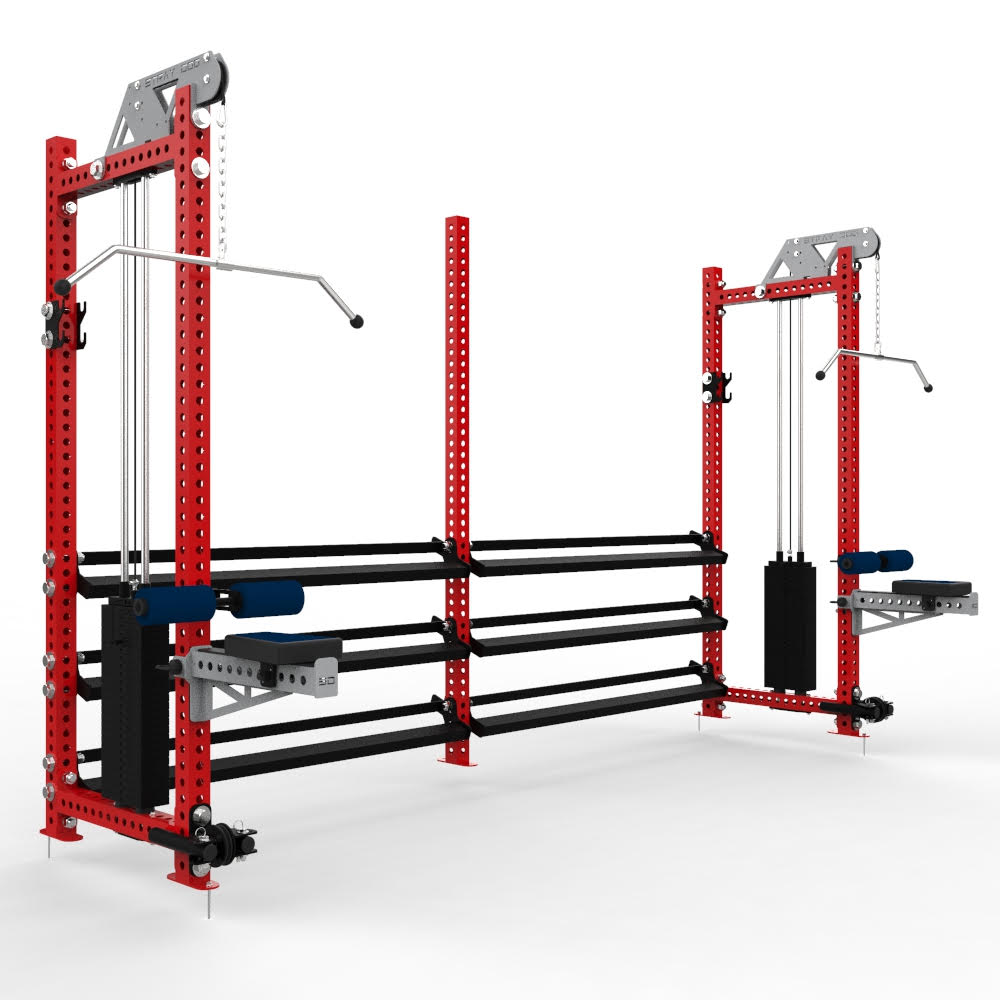
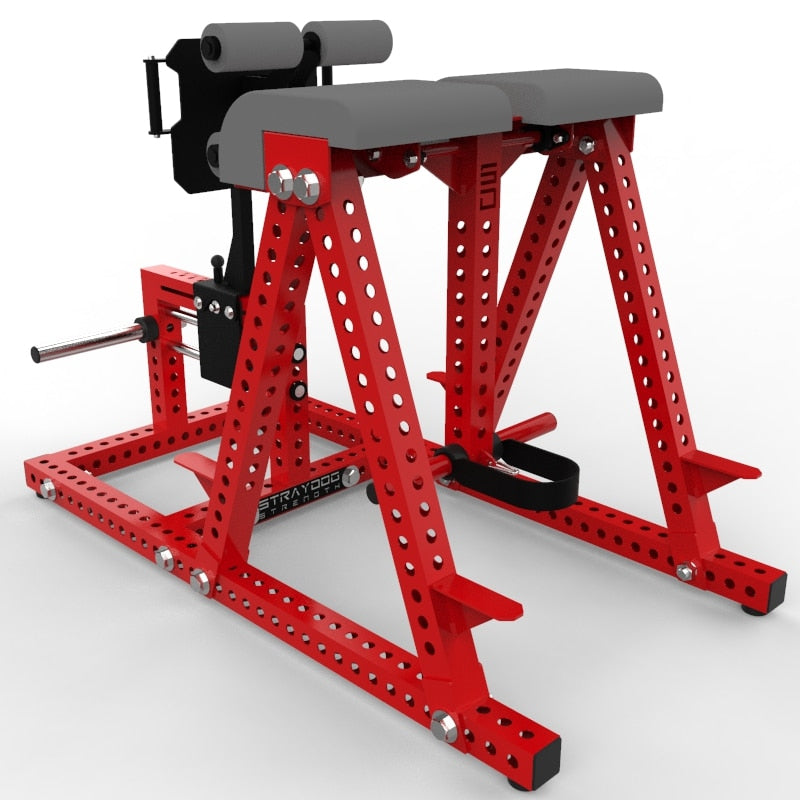
Yielding isometrics, also called isometric holds, can be done with body weight like a dead hang or squat hold, or with load by maintaining a set position. The example shown is a back extension isometric on our Alpha GHD. The athlete holds their chest parallel to the ground using the lower back and posterior chain. If they create too much force they rise above parallel, and if they create too little they drop below it. This concept can be applied to virtually any position.
What they are good for:
• Building positional strength
• Improving postural control
• Increasing time under tension
• Teaching athletes to own specific joint angles
Yielding isometrics are great for early phases of training, building tendon capacity, reinforcing technique, and helping athletes feel correct positions under load.
Overcoming Isometrics

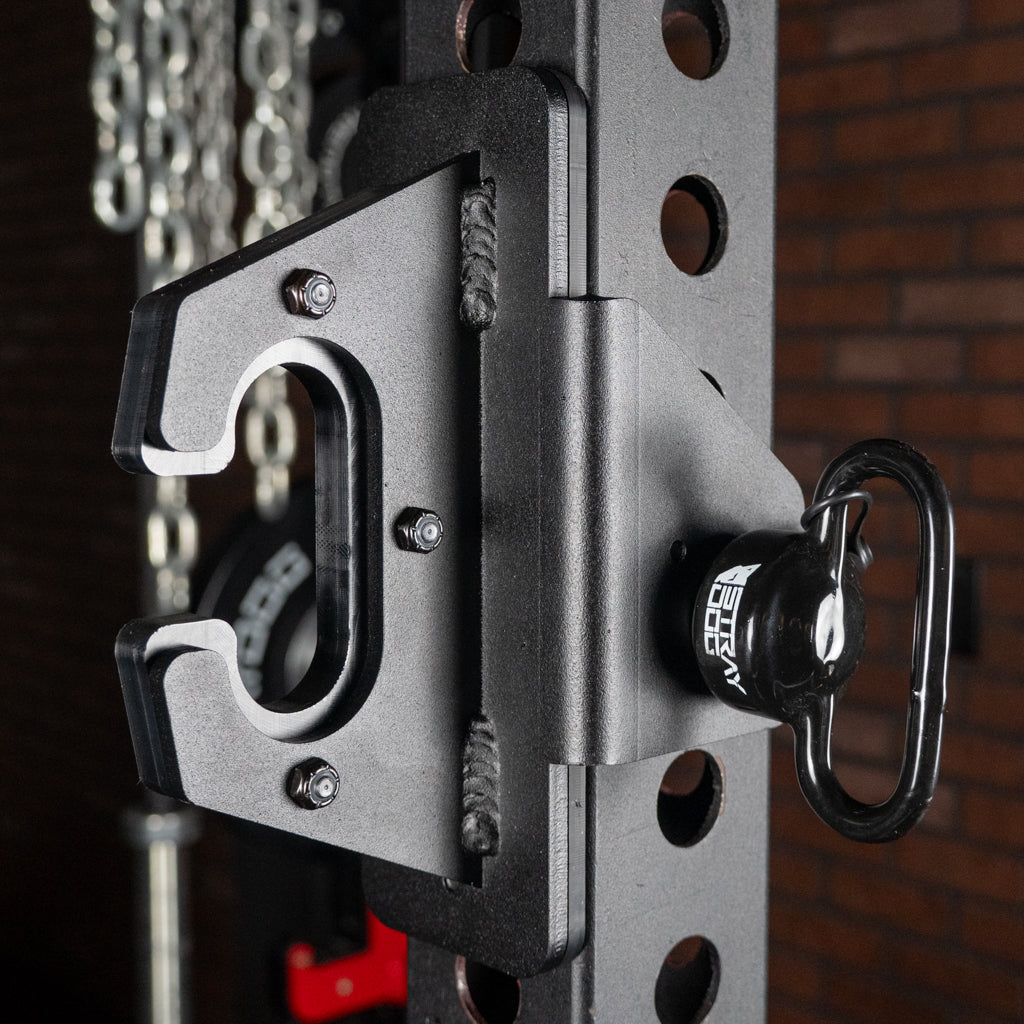
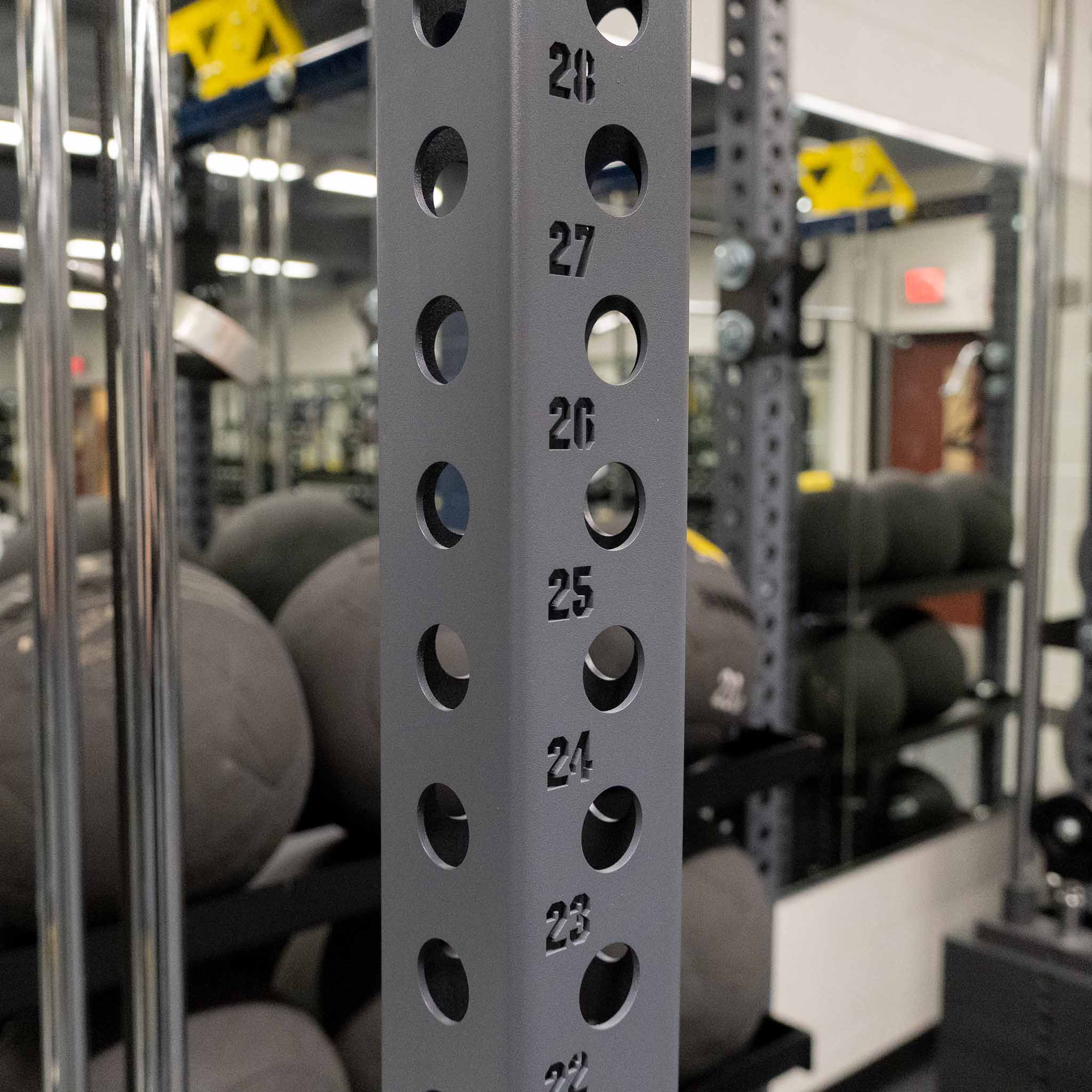
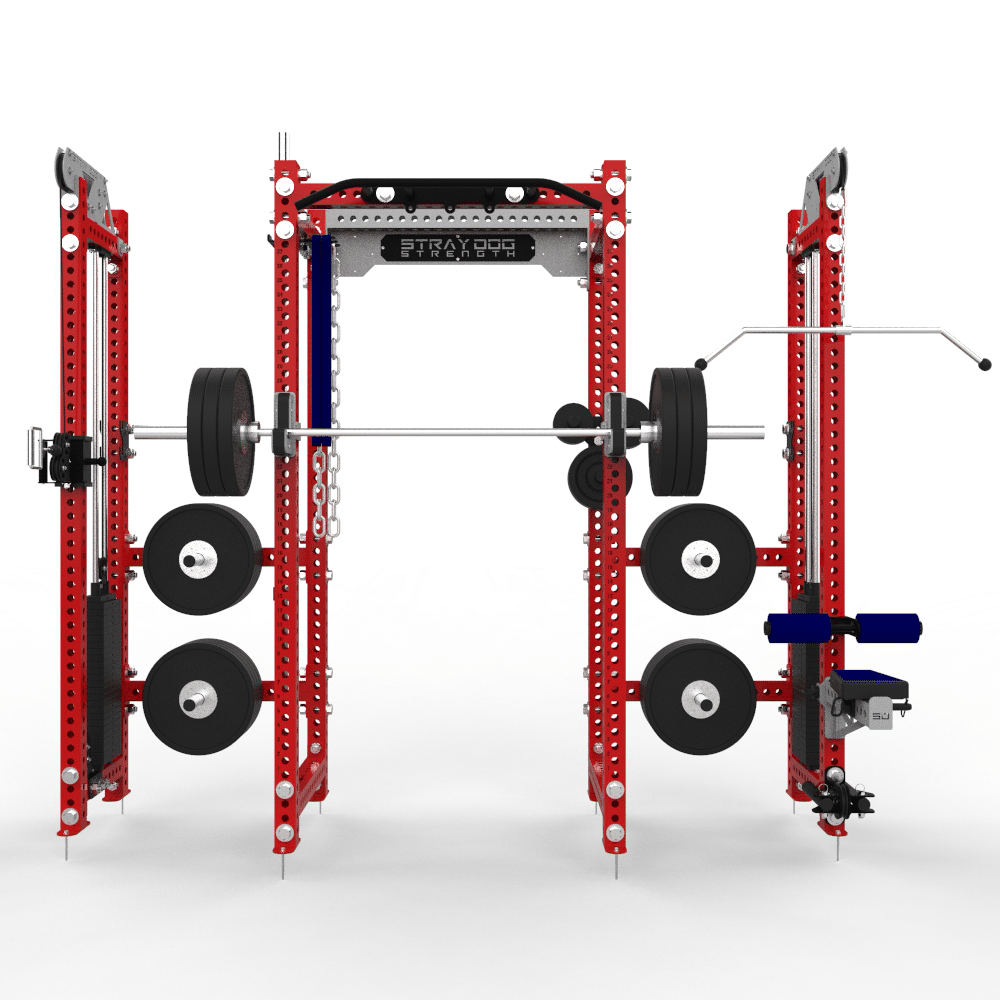
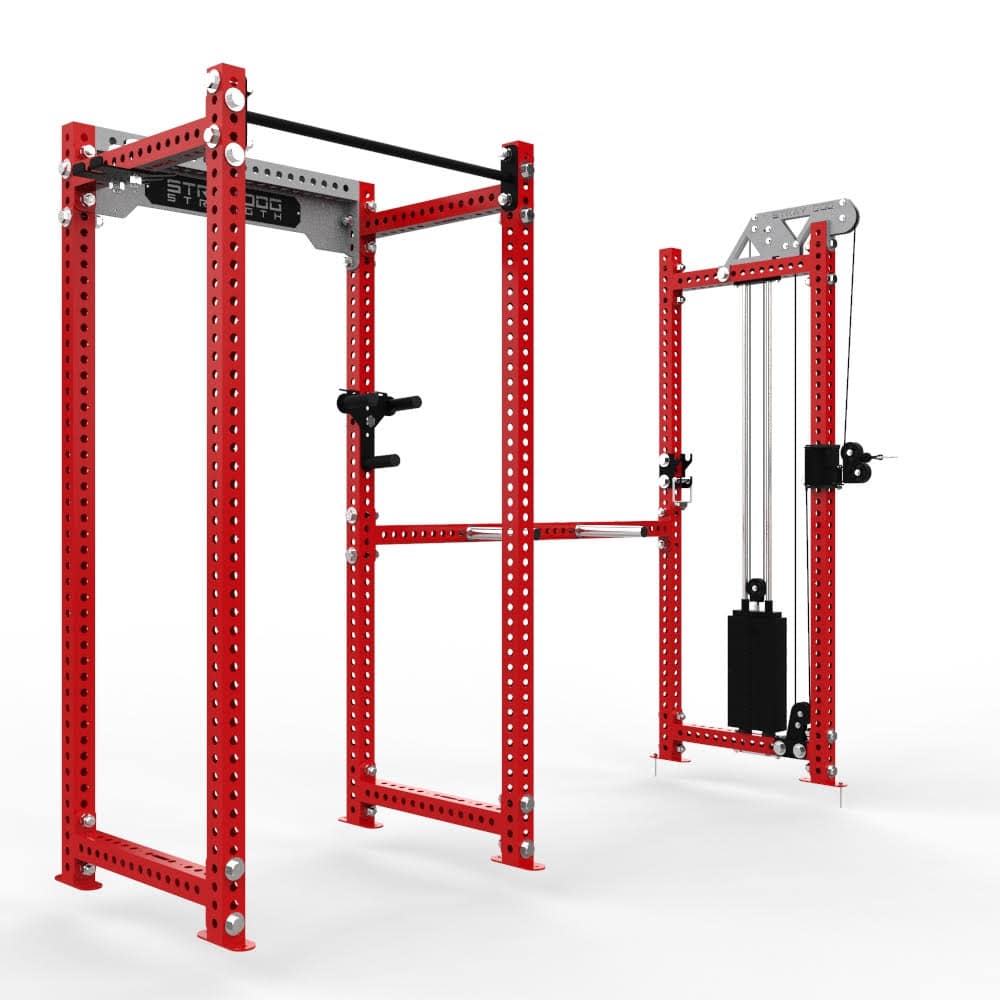
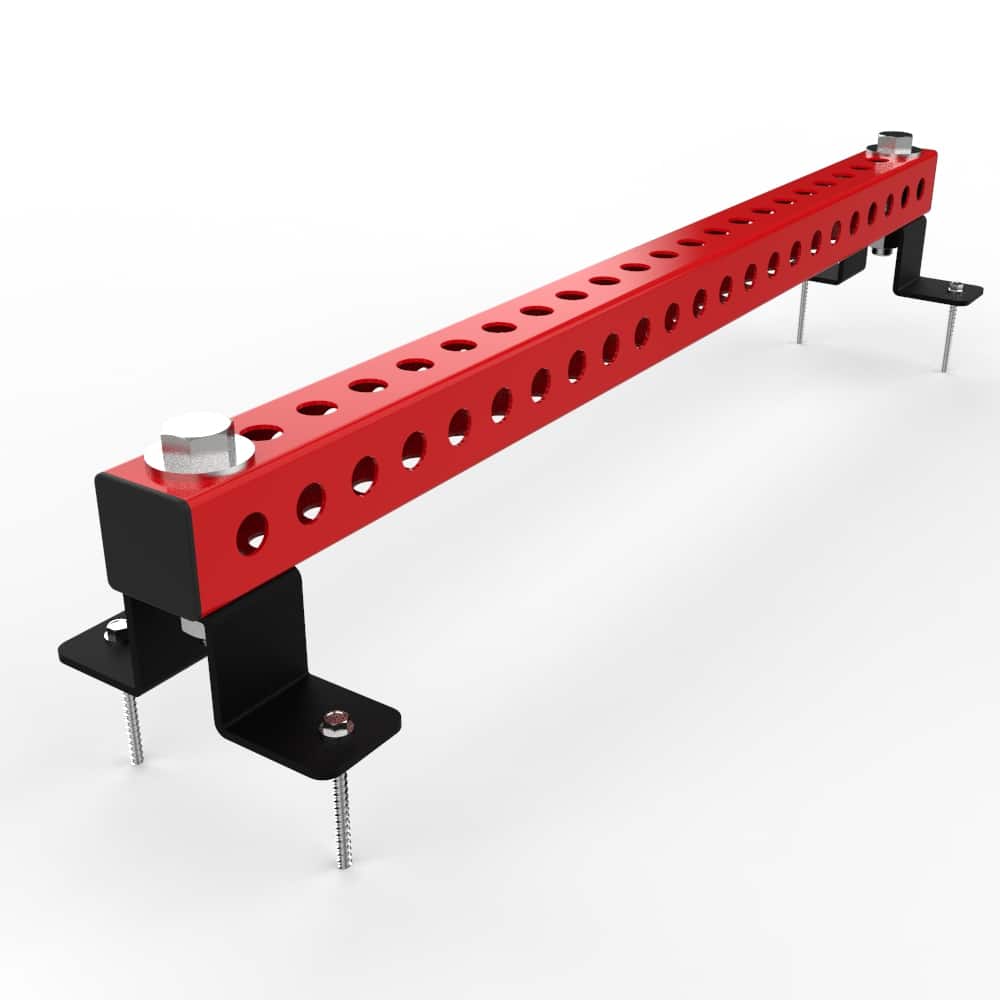
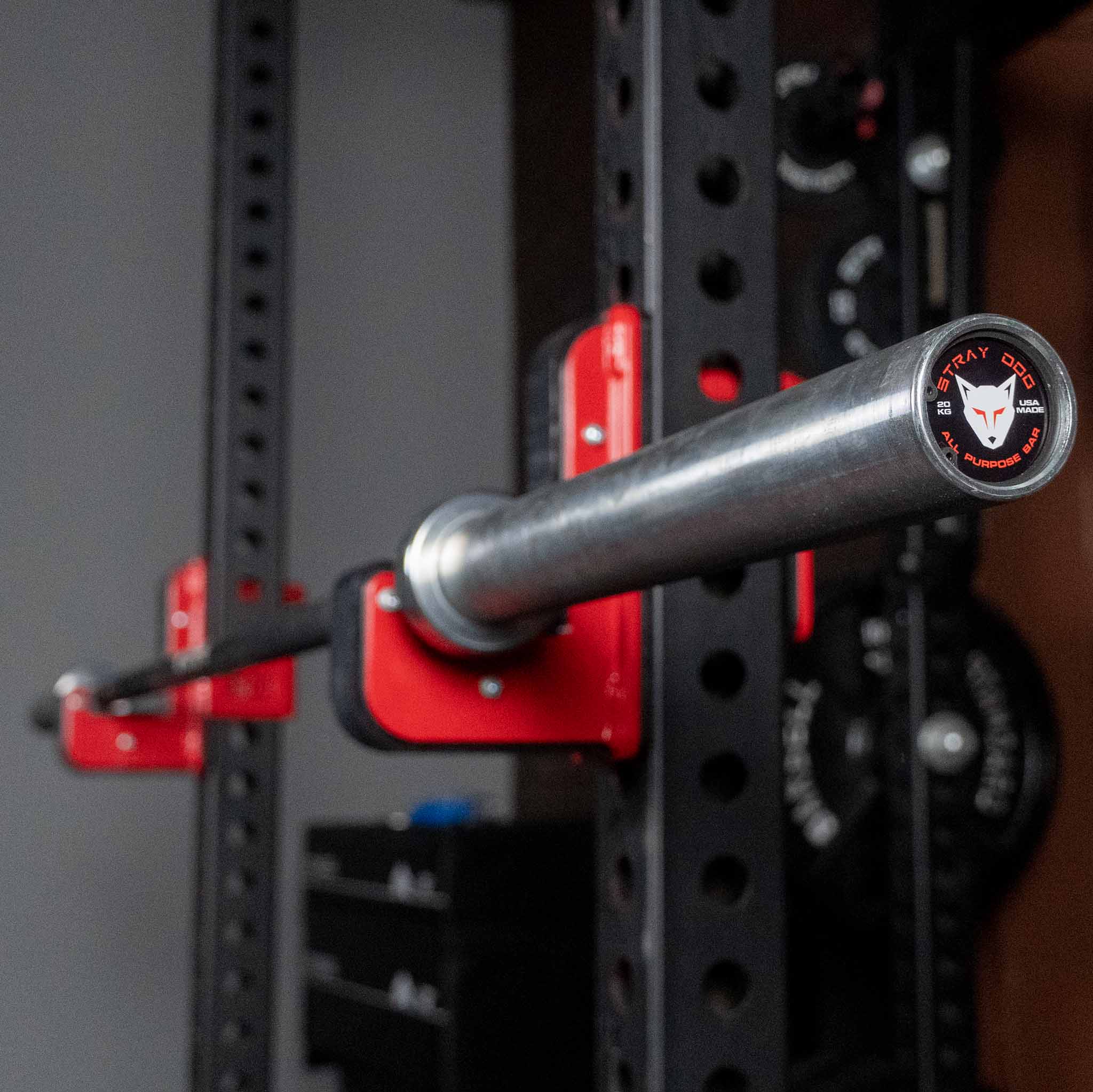
Overcoming isometrics involve pushing or pulling against an immovable object with maximal intent. The athlete applies full force but nothing moves. These are most often done with a barbell set against a bar cup or spotter arm. We improved this method by creating our ISO Cups and adding ISO Teeth to every Half Rack Spotter Arm, giving athletes quarter inch increments up and down the rack to dial in exact positions.
What They Are Good For
• Increasing maximal force production
• Improving the ability to recruit high threshold motor units
• Targeting exact sticking points in a lift
• Teaching intent and aggressive force output
Key Differences
- Yielding is about holding an external load in place.
- Overcoming is about trying to move an immovable object with maximal effort.
- Yielding builds positional strength and control.
- Overcoming builds maximal force output and neural drive.
- Yielding uses longer holds and controlled breathing.
- Overcoming uses short bursts of all out effort
Why You Should Use Both
Both forms of isometrics offer benefits that traditional eccentric/concentric reps cannot provide. Yielding isometrics reinforce positions, strengthen connective tissue, and teach athletes to own positions that transfer to better overall movement quality. Yielding isometrics are often held for longer durations, like 20-120 seconds.
Overcoming isometrics increase force output, sharpen intent, and raise an athlete’s ability to push through sticking points in compound lifts. These contractions are usually short, lasting three to ten seconds at maximal intent. You can also use longer duration efforts at roughly half to three quarters intent since a true maximal effort cannot be sustained for long.

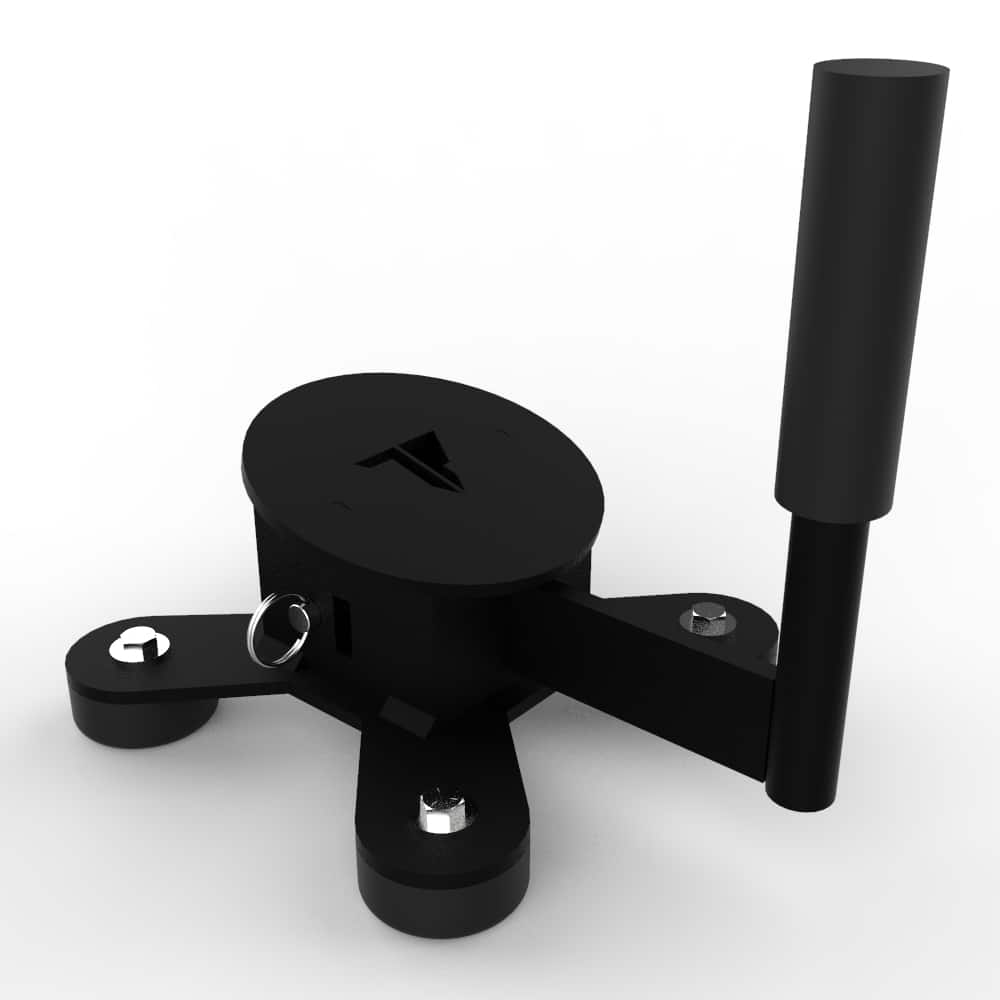
Shown above, the Spring Ankle Torque Device is used to train overcoming and yielding isometrics at the same time. The foot performs an overcoming isometric by trying to rotate the torque bar outward, while the athlete holds a DB to perform a yielding isometric to increase difficulty over bodyweight. This is loading level two. Loading level three adds a belt so the entire position becomes an overcoming isometric.
